• Venture Portfolio
  • Meet Our Team
  • Learn About CI
    • Who We Are
    • Venture Portfolio
    • Successful Exits
    • Case Studies
    • Meet Our Team
    • Financial Information
    • Talent Acquisition
    • Press
    • Governance
    • RFPs/RFIs/Notice of Public Hearings
  • Obtain Funding
    • Funding Opportunities
    • Angel Investor Tax Credit Program
    • SSBCI Technical Assistance Program
  • Investors
    • Investment Strategy
    • Venture Portfolio
    • Meet Our Team
  • Explore Connections
  • Access Content Library
  • Job Seekers
  • Connect With Us

The Importance of Business Models

[cs_content][cs_section parallax=”false” separator_top_type=”none” separator_top_height=”50px” separator_top_angle_point=”50″ separator_bottom_type=”none” separator_bottom_height=”50px” separator_bottom_angle_point=”50″ style=”margin: 0px;padding: 0px;”][cs_row inner_container=”true” marginless_columns=”false” style=”margin: 0px auto;padding: 0px;”][cs_column fade=”false” fade_animation=”in” fade_animation_offset=”45px” fade_duration=”750″ type=”1/1″ style=”padding: 0px;”][x_image type=”none” src=”http://ctinnovations.com/wp-content/uploads/2017/05/Content-Detail-News.jpg” alt=”” link=”false” href=”#” title=”” target=”” info=”none” info_place=”top” info_trigger=”hover” info_content=””][/cs_column][/cs_row][/cs_section][cs_section parallax=”false” separator_top_type=”none” separator_top_height=”50px” separator_top_angle_point=”50″ separator_bottom_type=”none” separator_bottom_height=”50px” separator_bottom_angle_point=”50″ style=”margin: 0px;padding: 45px 0px;”][cs_row inner_container=”true” marginless_columns=”false” style=”margin: 0px auto;padding: 0px;”][cs_column fade=”false” fade_animation=”in” fade_animation_offset=”45px” fade_duration=”750″ type=”1/1″ style=”padding: 0px;”][cs_text]

Startup Business Models

Premature scaling is not a skin disease. It’s the primary cause of startup failure, according to a recent Startup Genome blog post. Premature scaling means ramping up your company ahead of the business model.

What Is a Business Model?
Simply put, a business model is how you make money. Over 50 years ago, the Xerox Corporation invented a way to make copies of documents using a technology that kept the paper dry. Prior technologies involved chemicals that wet the paper. The problem for Xerox was that its machines cost thousands of dollars. In the middle of the 20th century, that was more money than customers were willing to pay, even though everyone preferred dry copies to the wet ones.

Xerox solved that dilemma and became one of the largest companies of the time by modifying its business model. Instead of selling the machines, or even leasing them, Xerox put together a lease package that included a fixed number of copies per month and a set charge for every copy over that amount. (I believe it was 2,000 copies free and a few cents for every copy over that – but don’t hold me to those numbers.)

Here’s the reason it worked. People made the purchase decision based on their history with wet copies, and figured the monthly fee would be a bargain. But the new technology meant people made a lot more copies than they had predicted, and they were happy to pay for them because of the quality.

It wasn’t the technology alone that made Xerox a success. The business model made it work. Xerox lost its edge when companies in Japan made smaller and cheaper machines, thus creating a different business model around the same technology. But that’s a story for a different time.

Recently, a Connecticut Innovations portfolio company, Continuity Control, has been reworking its business model. The company developed technology that helps community banks and credit unions with their regulatory compliance. It’s cloud-based software, and the company started selling different modules as apps with monthly fees that all integrated into a complete solution but allowed clients to start simply. Business was slow to take off. Clients were hesitant because they didn’t see how all the parts would integrate into a complete solution, and they were cautious following the financial collapse of 2008. So the company bundled a set of apps with a few days of setup assistance from a virtual compliance officer. Continuity Control also included some time with a trained individual to help clients customize their app configurations and offered clients credit to purchase some additional apps. Simultaneously, Continuity Control raised the price. Sales became quicker to close – and much more profitable.

Then Continuity Control made further tweaks to optimize the business model. Now it sells a complete automation platform for compliance management bundled with seasoned regulatory expertise – for an even higher price. Yes, the app technology is still vital, but it’s no longer the primary selling point; the value-added regulatory expertise, customization and setup assistance are the key selling points. Sales have continued to grow.

The Business Model Formula (Simple Version)
The business model is about how you solve a customer’s problem in a profitable way, and there’s a useful formula you can use to understand it. Every dollar your company spends is spent for one of two reasons: either to acquire a customer or to serve that customer. What you spend for the second reason (to serve a customer) subtracted from all the money the customer pays you (over as many purchases as they make) is called the lifetime value of that customer, or LTV. What you spend to acquire that customer – all your marketing and sales expenses – is the customer acquisition cost, or CAC.

Obviously, the LTV needs to be more than it cost you to acquire that customer or you’re paying the customer to buy from you. To say it another way, LTV minus CAC should be a positive number, or LTV – CAC = $$. This is not traditional accounting, of course. Financial reports tell you what you spent money on; the business model shows why you spent it. If the result is a positive number, then you’ve found a model that can scale.

The Job of a Startup Is Not to Sell Product!
The job of a startup is to learn – to develop a scalable business model that will lead to profitability. You’ve done that when you have documented everything it costs to acquire a customer, including things like knowing how long the sales cycle is and what you have to spend in overhead during that time. Plus you’ve documented everything it costs to serve that customer, including not just the cost of goods sold, but the cost of building the platform to deliver those goods. Also, you’ve determined the optimum selling price and how often the typical customer will buy from you. These numbers help you determine LTV and CAC. And finally, you’ve got data to back up these numbers so they are repeatable, and predictable.

Using the Xerox example, you can see that plugging in the numbers when you’re attempting to sell a multi-thousand-dollar machine results in a very different model than when you’re selling a monthly lease plus a bunch of copies that cost a few cents. Same machine, same benefit to the customer, but very different business models.

Not every startup needs to invent a completely new business model. Advertising is an old one that works for many companies, freemium is not unique, and subscriptions have been around since before the web. And of course, selling a single product at profit has been done since money was invented. But you have to discover the business model that works in your situation, based on what your customers are willing to pay to solve the problem that your company solves for them.

Startups vs. Scale-ups
Once you’ve discovered the right business model for your company, it’s time to scale up. That means adding capacity – to acquire customers and also to serve them.

The Business Model Formula (Advanced Version)
If you’re scaling up, you need the more complex version of the formula (LTV – CAC) * N = $$ where N is the right number of customers for profitability. Spending money on N means you’re increasing your capacity to sell more and to serve more customers. The trick is keeping those two things in balance and not running out of cash while you grow.

What About Investors?
You may have noticed that you don’t see investors in either version of the formula. You usually have to spend money before customers pay you. It’s investors and lending sources that front you the money, before the customers start paying. Of course, they want to get their money back – and then some – so the costs of paying them back must be incorporated into your model. Depending on what you spend the money on, those costs show up either by increasing your CAC, decreasing your LTV, or both. That will show how big N needs to be so you can pay back the money out of future cash flow, or grow fast enough to give investors a good return when you sell the company.

That’s the business of business models in a nutshell. Simple, right? Deceptively so. Of course simple doesn’t mean easy. If it were easy, everyone would get it right. 

About the Author

John SeifferJohn Seiffer runs CEOBootCamp.com and is a past president of the Angel Investor Forum of Connecticut. He’s been an entrepreneur since 1979 and lives in Milford, Connecticut. You can contact him at john@CEOBootCamp.com.

Link to PDF

[/cs_text][/cs_column][/cs_row][/cs_section][cs_section parallax=”false” separator_top_type=”none” separator_top_height=”50px” separator_top_angle_point=”50″ separator_bottom_type=”none” separator_bottom_height=”50px” separator_bottom_angle_point=”50″ class=”cs-ta-left” style=”margin: 0px;padding: 45px 0px;”][cs_row inner_container=”true” marginless_columns=”false” style=”margin: 0px auto;padding: 0px;”][cs_column fade=”false” fade_animation=”in” fade_animation_offset=”45px” fade_duration=”750″ type=”1/1″ style=”padding: 0px;”][x_image type=”none” src=”http://ctinnovations.com/wp-content/uploads/2017/04/backtocontentlibrary.png” alt=”back to content library” link=”true” href=”http://ctinnovations.com/access-content-library/” title=”” target=”” info=”none” info_place=”top” info_trigger=”hover” info_content=”” class=”back-image”][/cs_column][/cs_row][/cs_section][/cs_content]

Tips for Preparing a Business Plan

[cs_content][cs_section parallax=”false” separator_top_type=”none” separator_top_height=”50px” separator_top_angle_point=”50″ separator_bottom_type=”none” separator_bottom_height=”50px” separator_bottom_angle_point=”50″ style=”margin: 0px;padding: 0px;”][cs_row inner_container=”true” marginless_columns=”false” style=”margin: 0px auto;padding: 0px;”][cs_column fade=”false” fade_animation=”in” fade_animation_offset=”45px” fade_duration=”750″ type=”1/1″ style=”padding: 0px;”][x_image type=”none” src=”http://ctinnovations.com/wp-content/uploads/2017/05/Content-Detail-News.jpg” alt=”” link=”false” href=”#” title=”” target=”” info=”none” info_place=”top” info_trigger=”hover” info_content=””][/cs_column][/cs_row][/cs_section][cs_section parallax=”false” separator_top_type=”none” separator_top_height=”50px” separator_top_angle_point=”50″ separator_bottom_type=”none” separator_bottom_height=”50px” separator_bottom_angle_point=”50″ style=”margin: 0px;padding: 45px 0px;”][cs_row inner_container=”true” marginless_columns=”false” style=”margin: 0px auto;padding: 0px;”][cs_column fade=”false” fade_animation=”in” fade_animation_offset=”45px” fade_duration=”750″ type=”1/1″ style=”padding: 0px;”][cs_text]Tips for Preparing a Business Plan

Entrepreneurs often ask us for a sample business plan and for tips on how to prepare a plan.

First and foremost, it is important to develop your business plan in a format that addresses the concerns and interests of the potential investor. This will not only help you land an initial meeting but will also assist you as you discuss your company, growth strategies and investment needs with prospective investors in subsequent meetings.

Here are some general pointers:

  • Include complete contact information on your cover page.
  • State what your company does in two to three sentences right at the beginning of the plan. Don’t leave the reader guessing until page 3.
  • Be straightforward in presenting information and outlining your investment requirements.
  • Remember that your audience may not share your industry expertise.
  • Don’t ever assume you have no competition.
  • Explain why your technology is proprietary.
  • Be realistic with your financials.
  • The appendix may include marketing materials as well as materials and/or references that verify your market.
  • Check your spelling and grammar; they do matter.

Here are the sections that should be included in your business plan:

Business Plan Outline

Cover page – include date and all contact information (1 page)

1. Executive Summary (3 to 5 pages)

A. Business proposition

B. Current status of enterprise

C. Market need being met

D. Enterprise’s product/service advantage(s)

E. Management expertise

F. Financing being sought

2. Mission Statement (1 page)

3. Marketing Plan (4 to 8 pages)

A. Market analysis

B. Product/service offerings and development

C. Competitive situation

D. Pricing

E. Channels of distribution

F. Promotional plan

G. Customer service

4. Operations or Manufacturing Plan (3 to 8 pages)

A. Facilities

B. Make versus buy decisions

C. Capital items

D. Product support

E. Quality control and assurance

F. Logistics and control

5. Human Resources Plan (2 to 5 pages)

A. Management team background and future requirements for the company

B. Position/employee additions

C. Training and special personnel-related issues

6. Risk Analysis (1 to 3 pages)

A. Business risks

B. Economic risks

7. Financial Plan (4 to 6 pages)

A. Income statement (actual vs. pro forma)

B. Balance sheet (actual vs. pro forma)

C. Cash flow statement (actual vs. pro forma)

D. Capital budget (actual vs. pro forma)

Appendix

Organizations like SCORE can assist you with putting together your business plan. There are also private entities that can help, and much information can be found on the Internet. However, always remember that you are the best person to describe the information and details of your business.

SCORE is a nonprofit association composed of volunteer business people who mentor small businesses. With chapters across the United States, including several in Connecticut, SCORE is supported by the U.S. Small Business Administration and does not charge for its services. Find them at www.score.org.

Good luck in preparing your plan! We hope these tips have been helpful.

About the Author

Julie RaderJulie Rader is director of business development and analysis at Connecticut Innovations. You can contact her at Julie.Rader@ctinnovations.com.



Link to PDF[/cs_text][/cs_column][/cs_row][/cs_section][cs_section parallax=”false” separator_top_type=”none” separator_top_height=”50px” separator_top_angle_point=”50″ separator_bottom_type=”none” separator_bottom_height=”50px” separator_bottom_angle_point=”50″ class=”cs-ta-left” style=”margin: 0px;padding: 45px 0px;”][cs_row inner_container=”true” marginless_columns=”false” style=”margin: 0px auto;padding: 0px;”][cs_column fade=”false” fade_animation=”in” fade_animation_offset=”45px” fade_duration=”750″ type=”1/1″ style=”padding: 0px;”][x_image type=”none” src=”http://ctinnovations.com/wp-content/uploads/2017/04/backtocontentlibrary.png” alt=”back to content library” link=”true” href=”http://ctinnovations.com/access-content-library/” title=”” target=”” info=”none” info_place=”top” info_trigger=”hover” info_content=”” class=”back-image”][/cs_column][/cs_row][/cs_section][/cs_content]

How a Technology Assessment Can Help You

[cs_content][cs_section parallax=”false” style=”margin: 0px;padding: 0px;”][cs_row inner_container=”true” marginless_columns=”false” style=”margin: 0px auto;padding: 0px;”][cs_column fade=”false” fade_animation=”in” fade_animation_offset=”45px” fade_duration=”750″ type=”1/1″ style=”padding: 0px;”][x_image type=”none” src=”http://ctinnovations.com/wp-content/uploads/2017/05/Content-Detail-News.jpg” alt=”” link=”false” href=”#” title=”” target=”” info=”none” info_place=”top” info_trigger=”hover” info_content=””][/cs_column][/cs_row][/cs_section][cs_section parallax=”false” style=”margin: 0px;padding: 45px 0px;”][cs_row inner_container=”true” marginless_columns=”false” style=”margin: 0px auto;padding: 0px;”][cs_column fade=”false” fade_animation=”in” fade_animation_offset=”45px” fade_duration=”750″ type=”1/1″ style=”padding: 0px;”][cs_text]How a Technology Assessment Can Help You

Before you dive headfirst into making your product idea a reality – which we know will require a tremendous amount of time, money and energy – you may want to have a third-party expert perform a technology assessment. This type of assessment, which will give you a feel for the commercial potential of your technology, is useful either before or after you patent (or otherwise protect) your innovation. It will help you focus on where, and where not, to spend your time and money.

Such assessments are generally summarized in a written report. The report will cover information such as:

  • Strength of your technology/product relative to similar technologies/products
  • Related patents and implications for current competition and possible future competition
  • Similar research and development, and its implications for possible future competition
  • Most likely markets for your innovation
  • Possible market barriers
  • Potential end-product opportunities
  • Potential target customers or organizations that might license or acquire your technology

Beyond helping you decide where to focus your limited resources, these reports offer a number of significant benefits. You may use the information contained therein to strengthen your grant proposals and shape your commercialization plans. Further, when meeting with prospective angel or institutional investors or with potential partners, these objective, third-party reports will add weight and lend credibility to your business strategy.

Connecticut Innovations (CI) has contracted with a technology transfer consulting firm, Foresight Science & Technology, and through that firm offers technology assessment reports (called Go/NoGo® Assessment Reports) free of charge to small, Connecticut-based businesses (i.e., those with 500 or fewer employees). This CI initiative offers great value to innovative small businesses and has been extremely popular. CI facilitates and underwrites the production of about 30-40 such reports per year. Companies that have benefited from these confidential reports include bioscience, advanced manufacturing, advanced materials and aerospace companies – and others pursuing a wide range of product innovations. If you are interested in having this type of report prepared for you, please let us know!

“The Go/NoGo® Assessment Report was excellent,” said Steve Domyan, co-founder of MetroCrops LLC of Norwalk, Connecticut. “The report’s executive summary was a significant piece of our commercialization plan for our Phase II SBIR proposal. This helped us win our USDA grant. Additionally, the research Foresight Science & Technology did on potential competitors helped us locate potential collaboration partners. And finally, the report’s analysis of existing technology helped us to position our IP strategy and effort.”

Alternatively, you may contract directly with a vendor. The cost for such reports varies depending on the vendor you select, the scope of the report and the level of detail you require. However, a typical fee might be in the neighborhood of $2,000 to $5,000.

Click here for more information on technology assessment reports.

About the Author

Christine GemelliChristine Gemelli is a consultant with CI’s Small Business Innovation group and manages CI’s Go/NoGo® initiative. You can contact her at Christine.Gemelli@ctinnovations.com.


Link to PDF[/cs_text][/cs_column][/cs_row][/cs_section][cs_section parallax=”false” class=”cs-ta-left” style=”margin: 0px;padding: 45px 0px;”][cs_row inner_container=”true” marginless_columns=”false” style=”margin: 0px auto;padding: 0px;”][cs_column fade=”false” fade_animation=”in” fade_animation_offset=”45px” fade_duration=”750″ type=”1/1″ style=”padding: 0px;”][x_image type=”none” src=”http://ctinnovations.com/wp-content/uploads/2017/04/backtocontentlibrary.png” alt=”back to content library” link=”true” href=”http://ctinnovations.com/access-content-library/” title=”” target=”” info=”none” info_place=”top” info_trigger=”hover” info_content=”” class=”back-image”][/cs_column][/cs_row][/cs_section][/cs_content]

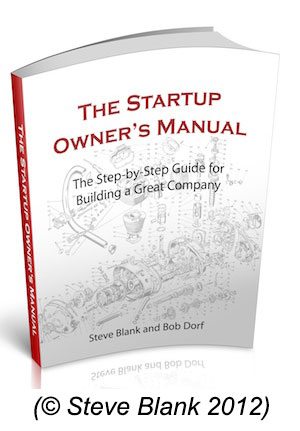
The Startup Owner’s Manual

[cs_content][cs_section parallax=”false” separator_top_type=”none” separator_top_height=”50px” separator_top_angle_point=”50″ separator_bottom_type=”none” separator_bottom_height=”50px” separator_bottom_angle_point=”50″ style=”margin: 0px;padding: 0px;”][cs_row inner_container=”true” marginless_columns=”false” style=”margin: 0px auto;padding: 0px;”][cs_column fade=”false” fade_animation=”in” fade_animation_offset=”45px” fade_duration=”750″ type=”1/1″ style=”padding: 0px;”][x_image type=”none” src=”http://ctinnovations.com/wp-content/uploads/2017/05/Content-Detail-News.jpg” alt=”” link=”false” href=”#” title=”” target=”” info=”none” info_place=”top” info_trigger=”hover” info_content=””][/cs_column][/cs_row][/cs_section][cs_section parallax=”false” separator_top_type=”none” separator_top_height=”50px” separator_top_angle_point=”50″ separator_bottom_type=”none” separator_bottom_height=”50px” separator_bottom_angle_point=”50″ style=”margin: 0px;padding: 45px 0px;”][cs_row inner_container=”true” marginless_columns=”false” style=”margin: 0px auto;padding: 0px;”][cs_column fade=”false” fade_animation=”in” fade_animation_offset=”45px” fade_duration=”750″ type=”1/1″ style=”padding: 0px;”][cs_text]The Startup Owner’s Manual

startup owners manualThe Step-by-Step Guide for Building a Great Company


Chapter Two – The Path to the Epiphany: The Customer Development Model
By Steve Blank and Bob Dorf

This chapter is an exerpt from The Startup Owner’s Manual (available on Amazon) by Steve Blank and Bob Dorf.


Steve BlankSteve Blank is the legendary serial Silicon Valley entrepreneur-turned-educator who created and refined the Customer Development process. Steve can be reached at info@kandsranch.com.


Bob DorfHis co-author is Stamford, Connecticut, resident Bob Dorf, an allegedly retired serial entrepreneur, who trains and coaches startups. Bob can be reached at bobdorf@gmail.com.



Link to PDF[/cs_text][/cs_column][/cs_row][/cs_section][cs_section parallax=”false” separator_top_type=”none” separator_top_height=”50px” separator_top_angle_point=”50″ separator_bottom_type=”none” separator_bottom_height=”50px” separator_bottom_angle_point=”50″ class=”cs-ta-left” style=”margin: 0px;padding: 45px 0px;”][cs_row inner_container=”true” marginless_columns=”false” style=”margin: 0px auto;padding: 0px;”][cs_column fade=”false” fade_animation=”in” fade_animation_offset=”45px” fade_duration=”750″ type=”1/1″ style=”padding: 0px;”][x_image type=”none” src=”http://ctinnovations.com/wp-content/uploads/2017/04/backtocontentlibrary.png” alt=”back to content library” link=”true” href=”http://ctinnovations.com/access-content-library/” title=”” target=”” info=”none” info_place=”top” info_trigger=”hover” info_content=”” class=”back-image”][/cs_column][/cs_row][/cs_section][/cs_content]

Is a Freedom to Operate Opinion Important?

[cs_content][cs_section parallax=”false” separator_top_type=”none” separator_top_height=”50px” separator_top_angle_point=”50″ separator_bottom_type=”none” separator_bottom_height=”50px” separator_bottom_angle_point=”50″ style=”margin: 0px;padding: 0px;”][cs_row inner_container=”true” marginless_columns=”false” style=”margin: 0px auto;padding: 0px;”][cs_column fade=”false” fade_animation=”in” fade_animation_offset=”45px” fade_duration=”750″ type=”1/1″ style=”padding: 0px;”][x_image type=”none” src=”http://ctinnovations.com/wp-content/uploads/2017/05/Content-Detail-News.jpg” alt=”” link=”false” href=”#” title=”” target=”” info=”none” info_place=”top” info_trigger=”hover” info_content=””][/cs_column][/cs_row][/cs_section][cs_section parallax=”false” separator_top_type=”none” separator_top_height=”50px” separator_top_angle_point=”50″ separator_bottom_type=”none” separator_bottom_height=”50px” separator_bottom_angle_point=”50″ style=”margin: 0px;padding: 45px 0px;”][cs_row inner_container=”true” marginless_columns=”false” style=”margin: 0px auto;padding: 0px;”][cs_column fade=”false” fade_animation=”in” fade_animation_offset=”45px” fade_duration=”750″ type=”1/1″ style=”padding: 0px;”][cs_text]What is Freedom to Operate Opinion? FTO Analysis & Patents

In certain circumstances, it may be advisable or necessary for a company to obtain a freedom to operate (FTO) opinion as to whether a technology of interest will infringe any patent owned by another party. The knowledge gained from such an exercise can help mitigate risk, provide assurance to potential investors, and facilitate the development process by informing design changes necessary to avoid identified patent barriers.

But what is an FTO opinion? Essentially, in layman’s terms, it is an assessment made by intellectual property attorneys that provides an analysis of any patents owned by third parties protecting inventions that are similar to a particular product or process of interest that will be or is currently being sold and/or manufactured by a company. The FTO opinion is generally provided in the form of a written document that contains a legal opinion as to whether the product or process of interest infringes upon any of the identified patents.

Not all companies obtain FTO opinions on their products or processes – for a number of reasons. Perhaps the biggest reason is cost. An FTO opinion can be expensive, typically in the neighborhood of $25,000 to $50,000, or more, depending on the level of complexity of the product or process and the depth and breadth of the FTO analysis. Because an FTO opinion evaluates the intellectual property (IP) landscape vis-à-vis a product or process at a particular snapshot in time, its shelf life may be short, particularly if a company plans to make ongoing modifications to the product or process, or if the patent landscape changes significantly; such shifts could quickly render the FTO opinion obsolete. So, companies must be judicious and evaluate whether investing in an FTO opinion is worthwhile and what the optimal timing might be.

However, your cost/benefit analysis may swing in favor of investing in an FTO opinion if you (1) are operating in an industry that is particularly litigious, (2) have developed a product or process that will not be modified anytime soon, (3) have the time and flexibility to modify product development to design around potential patent barriers that are uncovered, (4) could suffer significant financial harm if infringement litigation were to result in an injunction or costly design-around, or (5) plan to raise a large financing round in which investors will be putting significant sums at risk by investing in your company. In the last instance, one or more investors may actually require you to obtain an FTO opinion as a condition of their investment.

The FTO opinion can be useful and mitigate risk in a couple of ways. First, it can help protect you against being charged with “willful infringement” of another’s patent – the penalty for which can be treble damages. Having an FTO opinion shows that you have done your legal homework and have an expert opinion that your product or process does not infringe on the identified patents. Second, an FTO opinion can help lessen investors’ concerns about infringement risks. Such risks will likely always be present, but the FTO will help mitigate those risks.

While FTO opinions may not be necessary for all companies, it’s good for growing, innovative ventures to be aware of this option and to be thinking about issues surrounding intellectual property.

About the Author

Douglas Roth is a senior investment associate at Connecticut Innovations. You can contact him at douglas.roth@ctinnovations.com.

Link to PDF

[/cs_text][/cs_column][/cs_row][/cs_section][cs_section parallax=”false” separator_top_type=”none” separator_top_height=”50px” separator_top_angle_point=”50″ separator_bottom_type=”none” separator_bottom_height=”50px” separator_bottom_angle_point=”50″ class=”cs-ta-left” style=”margin: 0px;padding: 45px 0px;”][cs_row inner_container=”true” marginless_columns=”false” style=”margin: 0px auto;padding: 0px;”][cs_column fade=”false” fade_animation=”in” fade_animation_offset=”45px” fade_duration=”750″ type=”1/1″ style=”padding: 0px;”][x_image type=”none” src=”http://ctinnovations.com/wp-content/uploads/2017/04/backtocontentlibrary.png” alt=”back to content library” link=”true” href=”http://ctinnovations.com/access-content-library/” title=”” target=”” info=”none” info_place=”top” info_trigger=”hover” info_content=”” class=”back-image”][/cs_column][/cs_row][/cs_section][/cs_content]

Build a Borrowing Strategy

[cs_content][cs_section parallax=”false” separator_top_type=”none” separator_top_height=”50px” separator_top_angle_point=”50″ separator_bottom_type=”none” separator_bottom_height=”50px” separator_bottom_angle_point=”50″ style=”margin: 0px;padding: 0px;”][cs_row inner_container=”true” marginless_columns=”false” style=”margin: 0px auto;padding: 0px;”][cs_column fade=”false” fade_animation=”in” fade_animation_offset=”45px” fade_duration=”750″ type=”1/1″ style=”padding: 0px;”][x_image type=”none” src=”http://ctinnovations.com/wp-content/uploads/2017/05/Content-Detail-News.jpg” alt=”” link=”false” href=”#” title=”” target=”” info=”none” info_place=”top” info_trigger=”hover” info_content=””][/cs_column][/cs_row][/cs_section][cs_section parallax=”false” separator_top_type=”none” separator_top_height=”50px” separator_top_angle_point=”50″ separator_bottom_type=”none” separator_bottom_height=”50px” separator_bottom_angle_point=”50″ style=”margin: 0px;padding: 45px 0px;”][cs_row inner_container=”true” marginless_columns=”false” style=”margin: 0px auto;padding: 0px;”][cs_column fade=”false” fade_animation=”in” fade_animation_offset=”45px” fade_duration=”750″ type=”1/1″ style=”padding: 0px;”][cs_text]Build a Borrowing Strategy

Questions to ask yourself when you are ready to grow your business.

Many companies are now finding that they have weathered the impact of the recession, and they are looking for growth opportunities. With that, they seek new sources of cash to fund their expansion. It may surprise you to learn that the banking industry is fiercely competitive right now. With a significantly greater supply of money than demand, lenders are flush with cash. Interest rates continue to be low. In addition, the fierce competition in the banking industry means that banks are increasingly motivated to offer you attractive deals.

Yet even with the uptick in attractive lending packages, companies still need to be savvy as they shop for these deals. Preparation is the key.

We have assembled a list of seven essential questions that organizations typically ask — or should ask — themselves before they meet with prospective lenders. The answers to these will help make future negotiations more productive:

Q: Our company does not have a track record of borrowing. How will this affect our creditworthiness?

A: In general, regardless of whether you have borrowed in the past, your company will need to demonstrate the ability to have sufficient cash flow from its operations to repay the loan. Lenders will look to do a credit assessment based on information you provide to demonstrate this, as shown in the loan application.

Q: What is the best way to demonstrate to a lender that we are now positioned to take the risks that additional debt and new assets represent?

A: Although the banking industry is looking for customers, the appetite of lenders still remains conservative when it comes to the financial performance of the borrower. This can mean that businesses with urgent financing needs may have to wait a period of time as they demonstrate a consistent pattern of positive cash flow. For this reason, it is vital to be able to show a track record of responsible financial management.

Some borrowers, even if they did not have a formal business plan initially, have taken the time to draw one up to demonstrate that they have a strategy for growth and a solid management team. This is especially recommended if your company has been historically profitable but encountered some difficulties in recent years — as many companies did during the recession.

Write the plan so that it demonstrates how your company plans to turn the corner. Provide realistic projections and explain how your assumptions were determined. You should also include the viability of current products or any new products your organization intends to introduce as part of the turnaround plan.

Whether you make a formal business plan or not, you must document a history of meeting expenses, as well as provide financial projections extending out at least three years to show you will fulfill the obligations of the loan. For example, a borrower was looking to grow specifically in order to service a national account with a well-known customer of their product. A description of this long-term partnership was included as part of the company’s successful pitch to the bank.

Any example you can provide that shows the lender you have good accounts that pay and other reliable sources of revenue — as well as credit insurance in case customers go away or fail to pay in a timely fashion — will help mitigate risk in the lender’s eyes.

Q: Which is a better way to go: a loan or a line of credit?

A: You should have both to finance growth effectively. A line of credit is always beneficial to a borrower. In fact, a line of credit is often required by an enhancement lender in the event of unforeseen cash flow shortages encountered by the borrower. The most common type is a secured revolving line of credit, which uses the business’s assets as collateral for obtaining the line. Whatever type you have, your line of credit is your tool for covering expenses prior to collecting accounts receivable. If you are a manufacturer, you need to buy raw material and pay people to make your product before you can sell to customers. If you are a distributor, you need to purchase product, stock a warehouse and process orders. If you are a service business, your financial responsibilities include making payroll and maintaining your facilities.

Whatever business you are in, when it is time to grow, you’ll need to pay for the construction or purchase of assets. In addition, you may need to hire new people. Unless you are a cash business, a loan gives you the flexibility to manage your current overhead as you invest in your future.

Q: How do I get the best rate from my lender?

A: Ask for a better one. Many borrowers assume that the rate they are first quoted is the only rate available.

Now is also a good time to shop around. Many businesses that are looking to grow for the first time since the recession – or for the first time in their histories – are in a position to ask several banks for proposals. In this economic climate, banks are more than willing to bid. Even if you have a comfortable relationship with your lender, it’s worth looking at other lending sources and other types of deals to get the best rate.

In addition, lenders are eyeing services such as payroll and 401K management for revenue streams to augment what they earn by making loans. If you can make a deal that includes extra services as part of a package, you can negotiate better terms on the loan.

It’s also important to be sure you are talking to a lender who is familiar with your type of business. For example, the appetite for not-for-profits varies among financial institutions. These borrowers may have to approach several different institutions until they find the appropriate one for their organization.

Moreover, lenders do tend to specialize. For example, if you are a manufacturer, find a lender who knows manufacturing. If you are a distributor or a service business, go with a lender who understands those industries. This extra research is likely to result in the best possible rate.

Q: Will a government-backed loan such as those available through the Small Business Administration (SBA) or Small Business Investment Companies (SBICs) give me a better deal than a bank loan?

A: Government-backed loan sources can offer very attractive interest rates, but they do usually require more paperwork — and often more collateral than private lenders. The processing time of these loans can also be protracted. Consider, however, a deal that puts together a private lender with an SBA or SBIC source as a second-tier lender. For example, a bank may be unable to finance an entire loan request of $5 million due to the bank’s own lending limit or comfort levels, or because of a shortfall in collateral. Other types of loans may fill this gap to complete the financing structure.

Deals that mix government-backed loans and grants as second-tier financing sources are a good way to enhance your borrowing power.

Q: Would a grant be better for our purposes than a loan?

A: Small Business Innovation Research (SBIR) and Small Business Technology Transfer (STTR) programs are examples of funding sources that provide grants – not loans – in which money does not have to be paid back. While these sources are attractive, the application process can be complex. Also, grants in general are awarded for specific projects or programs. If you are looking to grow organically, you may want to consider a deal in which funds from a lender are matched at a certain percentage by grant money.

Q: What is the most important consideration when preparing to approach a lender?

A: Regardless of their individual situations, borrowers in general report that it often took longer to close on their deal than they had anticipated. They also say they wish they had had more knowledge and more time to prepare before they sat down to talk specifics with lenders. That is where seeking help from an independent trusted adviser can be an advantage. Look for an adviser who, beyond his or her own expertise, can tap a vast network across investment and business communities to work with your people. This will help ensure you have the best borrowing strategy.

Connecticut Innovations can help by introducing businesses to potential lenders and explaining the loan process more thoroughly before borrowers get started.

NOTE: Special thanks go to several individuals who were interviewed for this article and whose insights are incorporated herein. They are:

Claudia McCann, chief financial officer, Carla’s Pasta
Larry Nathan, president, L.R. Nathan Associates
Jim Rutt, president, Keystone Paper & Box
Sergio Squatrito, vice president of operations, Carla’s Pasta
Linda Wieleba, senior vice president and senior loan officer, Connecticut Innovations

Related articles:
“How to Expedite Your Loan Application”

Link to PDF[/cs_text][/cs_column][/cs_row][/cs_section][cs_section parallax=”false” separator_top_type=”none” separator_top_height=”50px” separator_top_angle_point=”50″ separator_bottom_type=”none” separator_bottom_height=”50px” separator_bottom_angle_point=”50″ class=”cs-ta-left” style=”margin: 0px;padding: 45px 0px;”][cs_row inner_container=”true” marginless_columns=”false” style=”margin: 0px auto;padding: 0px;”][cs_column fade=”false” fade_animation=”in” fade_animation_offset=”45px” fade_duration=”750″ type=”1/1″ style=”padding: 0px;”][x_image type=”none” src=”http://ctinnovations.com/wp-content/uploads/2017/04/backtocontentlibrary.png” alt=”back to content library” link=”true” href=”http://ctinnovations.com/access-content-library/” title=”” target=”” info=”none” info_place=”top” info_trigger=”hover” info_content=”” class=”back-image”][/cs_column][/cs_row][/cs_section][/cs_content]

Exit Strategy: Positioning Your Company to Be Sold or Acquired

[cs_content][cs_section parallax=”false” separator_top_type=”none” separator_top_height=”50px” separator_top_angle_point=”50″ separator_bottom_type=”none” separator_bottom_height=”50px” separator_bottom_angle_point=”50″ style=”margin: 0px;padding: 0px;”][cs_row inner_container=”true” marginless_columns=”false” style=”margin: 0px auto;padding: 0px;”][cs_column fade=”false” fade_animation=”in” fade_animation_offset=”45px” fade_duration=”750″ type=”1/1″ style=”padding: 0px;”][x_image type=”none” src=”http://ctinnovations.com/wp-content/uploads/2017/05/Content-Detail-News.jpg” alt=”” link=”false” href=”#” title=”” target=”” info=”none” info_place=”top” info_trigger=”hover” info_content=””][/cs_column][/cs_row][/cs_section][cs_section parallax=”false” separator_top_type=”none” separator_top_height=”50px” separator_top_angle_point=”50″ separator_bottom_type=”none” separator_bottom_height=”50px” separator_bottom_angle_point=”50″ style=”margin: 0px;padding: 45px 0px;”][cs_row inner_container=”true” marginless_columns=”false” style=”margin: 0px auto;padding: 0px;”][cs_column fade=”false” fade_animation=”in” fade_animation_offset=”45px” fade_duration=”750″ type=”1/1″ style=”padding: 0px;”][cs_text]Business Exit Strategy: Positioning Company to Be Sold or Acquired

If you were given a 50 percent chance that your company would fail after acquisition, would you take those odds? What about 75 percent – or even 90 percent? While there are a multitude of risks in starting a company and in making one successful, there can be an even greater risk of failure in being acquired.

That’s sobering news for innovative entrepreneurs and their startups. But it doesn’t have to be that way. Here’s how to put yourself on the plus side of those statistics and favorably increase your odds for a successful exit.

Trends in the Marketplace

It’s no secret that current trends in the marketplace can have a big impact on whether a company is an attractive contender for acquisition. Peter Longo, senior managing director, investments at Connecticut Innovations, says many acquisitions are driven by the markets. “When trends are positive, it’s good for acquisitions; more money is available. But exits can also happen in not-so-great markets, especially in the pharmaceutical markets. Large companies are always looking for growth opportunities, so there is no shortage of opportunities for acquisitions.”

Indeed, with the high cost of entry into many markets and the time it takes to start a new company or division complete with top development talent, companies instead look for acquisitions that can help now rather than later, especially to fill one or more gaps. “Acquiring synergistic and complementary products or solutions can create significant value for the acquirer,” notes Eric Rosow, founder and former CEO of Premise Corporation and now chairman of ReadyDock and president of Scry Health. “They look at the opportunity to get into new markets or acquire new customers that the buyer may not have any relationship with. The buyer may not have a presence in a particular market or with certain customers, but that could be improved by acquiring another company’s products, people and customers.”

To that end, one of the most important rules of the acquisition game is to build a company that someone wants to buy rather than one you want to sell. Often a CEO or management team becomes too preoccupied with selling a company rather than continuing the solid work of making that company the best in its field.

Staying focused on running the business in the normal course will attract buyers. “There is nothing more important than good performance. When companies lose momentum or suddenly have problems in the business, either transactions fail or valuations are reduced,” says Gary Mathias, managing director, Carter Morse & Mathias, and CFO and board member of Thetis Pharmaceuticals. Staying the course and doing the things that have brought you to a profitable and enviable position in the marketplace is a priority.

David Wurzer, executive vice president and chief investment officer at Connecticut Innovations, agrees. “It’s not about yelling louder. It’s about building a company that a buyer will say is doing all the right things, and it would be easier to buy it than build it from the ground up. Buying often eliminates barriers to entry and lowers the risk. That’s what buyers are looking for: a better mouse trap.”

Looking for a Strategic Fit

Your chance for acquisition success has much to do with strategic fit. It’s not just about making the most from your exit strategy, although negotiating a good deal is certainly a top goal. You need also to remember that this is a company that you and your management team have built from the ground up. You’ve hired great talent, developed innovative products or services, and cultivated an enviable reputation among your peers. A bad fit can ruin both the acquirer and the acquiree and leave customers, and employees, with a sense of betrayal.

Rosow, who sold his healthcare company, Premise Corporation, in 2008, says that strategic fit was one of the most important things to remember while positioning his company for sale. “For me, there was never any doubt that I wanted to sell to the right buyer. When we were considering buyers, I made sure we looked at fit. Did the buyer have the same vision? Did it see things the same way we did? Did our culture fit with the buyer’s culture? Premise had a very open culture where a balance between employees’ personal lives and work was important in creating a productive work environment. I wanted to make sure that, for the most part, that would remain intact.”

For Premise, the acquisition worked well. It gave the company an international reach that it might not have gotten on its own, and it gave the buyer innovative products highly valued in the industry. Not all mergers or acquisitions are as successful. Consider the disastrous acquisition of AOL by Time Warner. Five years after the merger, Time Warner unloaded AOL, losing billions in value and with nothing to show for the partnership. Poor fits don’t survive; more often they implode.

If an acquisition is part of your exit strategy, make your company attractive to potential candidates, but keep your options open. While strategic buyers – those who have a working knowledge of your type of business or those in your industry – may be ideal and could offer you the most lucrative deal if you have the critical capabilities needed by the acquirer, don’t rule out private equity buyers. These potential buyers often have deep pockets. Keep in mind that private equity buyers are concerned mostly with EBITDA, or cash flow, and will use debt financing to pay for part of the acquisition cost.

“If someone comes to a CEO and is interested in buying his or her business, the CEO should be receptive to talking. It’s never a bad idea for CEOs to talk about their companies,” says David Audibert, a former managing director of investments at Connecticut Innovations. “That’s business development and good practice. Listen to a potential exit opportunity, and be open-minded and flexible. But don’t give too much information; be protective.” Indeed, when it comes time to reveal information, you need to be comfortable with the people you’re talking with. You need to vet all interested parties and understand their businesses and motivations.

Beware the Wormhole

While you vet the buyer, the buyer is going to vet you. Being prepared in all ways financially and operationally will put your company in a favorable light. “You want to be bought, not sold,” says Longo. “The best premiums are paid when a buyer just has to have your company.” If you’re not prepared, it will be readily apparent. But don’t make matters worse by overselling or overstating your company’s position. “You’ll find yourself down a wormhole pretty quickly if you’re stating or portraying things inaccurately,” says Audibert. “Everything comes out during due diligence.”

Why risk everything you’ve built? Not every company is perfect, so if there is a hiccup or two in your performance history, bring it on. As an investment banker, Mathias has seen a range of weaknesses and strengths in the more than 50 M&A transactions he has handled. He recommends clients get clarity about post-closing integration to avoid critical failures that can impact customers, suppliers and employees. Additionally, he advises seller clients to avoid buyout transactions that overly leverage a company. While leverage can help make a transaction happen, it can preclude taking advantage of growth opportunities in the future and also increase risk of business failure if the company hits a bump. What about these concerns? Mathias says to “find an acquirer that has been there before, who has a strong record of working with management teams to integrate the business and has seen companies through tough times without running for the exit.”

What this all boils down to, again, is the critical focus on building your business. You can’t lose sight of creating value. An exit strategy is years in the making and not something to take lightly. “Start preparing years ahead, identify the likely strategic buyers and build the company accordingly,” says Mathias. “Hire good accountants and lawyers along the way to make sure your house is in order, build strong management teams, make yourself expendable, invest in systems to track key financial and operating metrics, and drive performance based on these metrics.”

This good advice will likely keep you from tumbling down the wormhole.

Ask for Directions Along the Way

No one knows everything. Although it’s tempting to try to oversee and control every facet of your exit strategy and positioning process, it’s much wiser to ask for help. In fact, building relationships with other CEOs or management teams might bring you in contact with future buyers.

Wurzer says that third-party opinions, especially relative to market position, are important. “Setting a strategy that’s coming from an independent view is very helpful and removes much of the emotion. Often CEOs can be sensitive about how they stack up to the competition, but an honest appraisal, where an advisor can detail what the company is good at and what the competition might be doing better, is necessary. Get that advice earlier in the game rather than later. It’s easier to work an acquisition if it’s not a fire sale.”

Rosow agrees that there is nothing wrong with having confidence and optimism, but not so much ego that you can’t ask for advice. “It really does take a village. I’m not the type of CEO who knows everything. I am constantly reading trade journals and business content and talking with and learning from other CEOs and founders. They, along with board members, are a great source of ideas and points of view.”

You’ve worked hard to build your business and plan a favorable exit. The upside to acquisitions can bring numerous tactical and market advantages to the buyer and huge strategic advantages to you, as the seller. If you understand your business thoroughly and keep your focus on creating value through great management, a sustainable market position and margins, recurring cash flows, and diversified revenues, you’ll be better positioned for a successful and profitable exit.

NOTE: Special thanks go to several individuals who were interviewed for this article and whose insights are incorporated herein. They are:

  • David Audibert, former managing director, investments, Connecticut Innovations
  • Peter Longo, senior managing director, investments, Connecticut Innovations
  • Gary Mathias, managing director, Carter Morse & Mathias, and CFO and board member of Thetis Pharmaceuticals
  • Eric Rosow, founder and former CEO of Premise Corporation and now chairman of ReadyDock and president of Scry Health
  • David Wurzer, executive vice president and chief investment officer, Connecticut Innovations

Related Articles:


Link to PDF[/cs_text][/cs_column][/cs_row][/cs_section][cs_section parallax=”false” separator_top_type=”none” separator_top_height=”50px” separator_top_angle_point=”50″ separator_bottom_type=”none” separator_bottom_height=”50px” separator_bottom_angle_point=”50″ class=”cs-ta-left” style=”margin: 0px;padding: 45px 0px;”][cs_row inner_container=”true” marginless_columns=”false” style=”margin: 0px auto;padding: 0px;”][cs_column fade=”false” fade_animation=”in” fade_animation_offset=”45px” fade_duration=”750″ type=”1/1″ style=”padding: 0px;”][x_image type=”none” src=”http://ctinnovations.com/wp-content/uploads/2017/04/backtocontentlibrary.png” alt=”back to content library” link=”true” href=”http://ctinnovations.com/access-content-library/” title=”” target=”” info=”none” info_place=”top” info_trigger=”hover” info_content=”” class=”back-image”][/cs_column][/cs_row][/cs_section][/cs_content]

How to Write a Press Release

[cs_content][cs_section parallax=”false” style=”margin: 0px;padding: 0px;”][cs_row inner_container=”true” marginless_columns=”false” style=”margin: 0px auto;padding: 0px;”][cs_column fade=”false” fade_animation=”in” fade_animation_offset=”45px” fade_duration=”750″ type=”1/1″ style=”padding: 0px;”][x_image type=”none” src=”http://ctinnovations.com/wp-content/uploads/2017/05/Content-Detail-News.jpg” alt=”” link=”false” href=”#” title=”” target=”” info=”none” info_place=”top” info_trigger=”hover” info_content=””][/cs_column][/cs_row][/cs_section][cs_section parallax=”false” style=”margin: 0px;padding: 45px 0px;”][cs_row inner_container=”true” marginless_columns=”false” style=”margin: 0px auto;padding: 0px;”][cs_column fade=”false” fade_animation=”in” fade_animation_offset=”45px” fade_duration=”750″ type=”1/1″ style=”padding: 0px;”][cs_text]How to Write a Press Release

Something special is happening and you want to tell everyone. How do you get the word out? For the past century, businesses in America have used the press release to share their good news with targeted external audiences. Though technology has changed astoundingly since the first release was distributed in 1906, the press release remains the fundamental and essential tool for businesses to share organizational news.

The development and distribution of the press release is the first step in establishing a relationship between your company and the media and journalists covering your industry or market. Your goal is not just to make a good first impression, but also to make an everlasting impression. You want to engage the media and capture their interest with exciting and captivating company news. In pursuit of this goal, we can begin to make some determination as to what company news is press release worthy.

The Press Release “Threshold”

An important point to remember is that developments at your company that are exciting to you and your colleagues are not necessarily viewed the same way by outsiders and, in particular, the media. It is important to have or establish a press release “threshold” to determine the types of news you consider interesting enough to be distributed via press release to external audiences. An important consideration is impact. Does this news have far-reaching impact on your customers, investors, industry and employees? Examples of newsworthy items include announcements about: a new technology that has a positive impact on the environment, a new drug that helps to relieve arthritis, or a new manufacturing contract that will generate more business and allow your company to add 50 new full-time jobs.

Elements of a Press Release

Once you have established your threshold and have exciting news to announce, it’s time to write your press release. There are several different approaches to writing a press release. However, certain elements are common to most releases. Those elements include the press release masthead, dateline, title/headline, subtitle, lead paragraph, quotes, body, call-to-action, organizational boilerplate and official closing. Let’s take a closer look at each of these elements.

  • The masthead of your press release contains the company logo and contact information, as well as an indication of the timing of the release. In terms of timing, a press release is either intended “For Immediate Release” or is “Embargoed” for a later date/time. Your contact information should include as much information as possible. At a minimum, include your name, email address, and office and cell phone numbers.
  • The dateline includes the date of the press release and the name of the city where the news takes place.
  • The goal of the press release title or headline is to intrigue and captivate the reader (typically an editor or reporter). It should summarize generally what the release is about. Whenever possible you should include your keywords for search engine optimization (SEO) purposes. The headline should be short and descriptive. Refrain from using jargon in the headline, and stay away from hyperbole.
  • Subtitles are optional on some press releases. However, they are a great tool for adding content to bolster the press release title. In general, you should offer the reader additional caveats that are not obvious from the title. Subtitles should reinforce and complement the title but not overpower it. For instance, if the title names a new product or procedure, the subtitle can describe the expected impact or benefit to customers.
  • The lead paragraph, in two or three concisely written sentences, should give the reader a glimpse of what is about to follow. Don’t merely provide the details (who, what, when, where, why and how) – begin to paint a picture for the reader. In many ways, the lead paragraph is the key to the success of your press release. Use active voice, and focus on impact and how this news improves the lives of your customers. Don’t bury the lead! Remember to keep the bottom line up front (BLUF) and give the reader the most essential information in the lead paragraph. Your lead paragraph should also be consistent with the title.
  • The quotes you choose to include in your press release should stand out and reinforce all of the positive aspects of the subject matter of the press release. They should also, whenever possible, reinforce a company value, or an aspect of its mission or vision. Ideally, you want the speakers to use language that demonstrates your organization’s competitive advantage, expertise and/or industry leadership. Your quotes should never state the obvious or insult the reader’s intelligence.
  • The body of your press release should go beyond merely announcing a new product, technology breakthrough or a record return on investment. It should make those announcements within the context of a narrative that supports the strategic goals of the company. Storytelling is a successful and popular approach to writing press releases that will evoke a response from the reader. Don’t editorialize or make spectacular claims in your storytelling. Stick to the facts.
  • Your press release should include a call-to-action element directing the reader to relevant information beyond what is in the press release. Most releases will include hyperlinks to the company or product website, while others may simply invite the reader to become a part of their social networks.
  • Most companies have a standard boilerplate. This is a short description of the company that is placed at the end of each press release you issue, typically under the heading “About XYZ Company.” Make sure yours is updated and grammatically and factually accurate.
  • Use ### or -30- at the bottom of your press release to let the reader know nothing else follows. This is the official closing of your release.

In a perfect world, your press release will include all of these elements and would fit neatly on one page. The industry standard is the one-page press release, though the two-page release has become increasingly popular. Confining the text to one page forces the writer to be more concise and improves the final product.

About the Author
Tony BerryTony Berry is a media relations and communications consultant. You can contact Tony at anthony-berry@sbcglobal.net.



Link to PDF[/cs_text][/cs_column][/cs_row][/cs_section][cs_section parallax=”false” class=”cs-ta-left” style=”margin: 0px;padding: 45px 0px;”][cs_row inner_container=”true” marginless_columns=”false” style=”margin: 0px auto;padding: 0px;”][cs_column fade=”false” fade_animation=”in” fade_animation_offset=”45px” fade_duration=”750″ type=”1/1″ style=”padding: 0px;”][x_image type=”none” src=”http://ctinnovations.com/wp-content/uploads/2017/04/backtocontentlibrary.png” alt=”back to content library” link=”true” href=”http://ctinnovations.com/access-content-library/” title=”” target=”” info=”none” info_place=”top” info_trigger=”hover” info_content=”” class=”back-image”][/cs_column][/cs_row][/cs_section][/cs_content]

How to Expedite Your Loan Application

[cs_content][cs_section parallax=”false” style=”margin: 0px;padding: 0px;”][cs_row inner_container=”true” marginless_columns=”false” style=”margin: 0px auto;padding: 0px;”][cs_column fade=”false” fade_animation=”in” fade_animation_offset=”45px” fade_duration=”750″ type=”1/1″ style=”padding: 0px;”][x_image type=”none” src=”http://ctinnovations.com/wp-content/uploads/2017/05/Content-Detail-News.jpg” alt=”” link=”false” href=”#” title=”” target=”” info=”none” info_place=”top” info_trigger=”hover” info_content=””][/cs_column][/cs_row][/cs_section][cs_section parallax=”false” style=”margin: 0px;padding: 45px 0px;”][cs_row inner_container=”true” marginless_columns=”false” style=”margin: 0px auto;padding: 0px;”][cs_column fade=”false” fade_animation=”in” fade_animation_offset=”45px” fade_duration=”750″ type=”1/1″ style=”padding: 0px;”][cs_text]How to Expedite Your Loan Application

If you plan to apply for a business loan and would like to expedite the turnaround time for a decision, consider the recommendations below. These tips are provided by Connecticut Innovations’ Lending Group.

Before meeting or talking with commercial lenders:

Collect financial information.

Historical: Assemble financial records for the most recent three calendar or fiscal years, including your business’s financial statements (balance sheet, income statement and cash flow statement, including all schedules) and tax returns, your personal tax returns, and a signed personal financial statement (if you own 20 percent or more of the business). Your accountant should have these on file.

Current: Additionally, gather financial statements for the current fiscal year to date, your business debt schedule, and accounts receivable, accounts payable and updated inventory reports.

Future: Finally, prepare financial projections (with assumptions and supporting data) for the remainder of the current fiscal year as well as the next two years.

Prepare a company summary. If you do not have a formal business plan, don’t panic. You may submit a business summary, which contains many key elements of a business plan, addressed in a more concise fashion. Include discussions of: company history, management team, the product and/or services you offer, the markets you operate in, the state of your industry (whether growing, mature, contracting), and major competitors and how your products/services differ. Additionally, provide resumes of key principals of the business.

Collect other documents (as needed). If you are seeking financing for the purchase or construction of real estate, gather (as applicable): executed purchase and sale agreement, real estate appraisal, environmental report and any construction plans, permits, budget, etc., for the project.

If you are seeking financing for the purchase of equipment, be prepared to submit the equipment appraisal and a detailed list of the fixed assets your business owns (i.e., property, machinery and equipment).

When meeting or talking with lenders:

Identify your borrowing needs. When you speak with prospective lenders, be prepared to talk about the current state of your business, plans for growing your business, why you are seeking financing and how much financing you feel you need. Discuss whether your accounts receivable are growing or slowing, and why.

After a frank discussion, your lender should be able to identify the appropriate financing product for you. This may, for example, be a permanent working capital loan to help you ramp up production if your accounts receivable are growing, or to help you pay creditors if your accounts receivable are slowing. Additionally, the lender may decide that it wishes to partner with Connecticut Innovations to meet your financing needs.

After you meet or talk with lenders:

Complete the lender’s loan application. If the lender you have spoken with invites you to submit a financing application, be sure to complete all relevant sections. An incomplete application will likely delay the processing of your request.

Submit your financial statements, business summary information and other required documents electronically. Lenders generally prefer to receive this information in an electronic format, not mailed as hard copy via U.S. Postal Service.

Be responsive to lenders’ follow-up questions. Even if the information you submitted is 100 percent complete, the lender will most likely ask you to clarify certain points or gather more detail in certain areas. Be sure you respond promptly.


Link to PDF[/cs_text][/cs_column][/cs_row][/cs_section][cs_section parallax=”false” class=”cs-ta-left” style=”margin: 0px;padding: 45px 0px;”][cs_row inner_container=”true” marginless_columns=”false” style=”margin: 0px auto;padding: 0px;”][cs_column fade=”false” fade_animation=”in” fade_animation_offset=”45px” fade_duration=”750″ type=”1/1″ style=”padding: 0px;”][x_image type=”none” src=”http://ctinnovations.com/wp-content/uploads/2017/04/backtocontentlibrary.png” alt=”back to content library” link=”true” href=”http://ctinnovations.com/access-content-library/” title=”” target=”” info=”none” info_place=”top” info_trigger=”hover” info_content=”” class=”back-image”][/cs_column][/cs_row][/cs_section][/cs_content]

The Pros and Cons of Debt vs. Equity

[cs_content][cs_section parallax=”false” separator_top_type=”none” separator_top_height=”50px” separator_top_angle_point=”50″ separator_bottom_type=”none” separator_bottom_height=”50px” separator_bottom_angle_point=”50″ style=”margin: 0px;padding: 0px;”][cs_row inner_container=”true” marginless_columns=”false” style=”margin: 0px auto;padding: 0px;”][cs_column fade=”false” fade_animation=”in” fade_animation_offset=”45px” fade_duration=”750″ type=”1/1″ style=”padding: 0px;”][x_image type=”none” src=”http://ctinnovations.com/wp-content/uploads/2017/05/Content-Detail-News.jpg” alt=”” link=”false” href=”#” title=”” target=”” info=”none” info_place=”top” info_trigger=”hover” info_content=””][/cs_column][/cs_row][/cs_section][cs_section parallax=”false” separator_top_type=”none” separator_top_height=”50px” separator_top_angle_point=”50″ separator_bottom_type=”none” separator_bottom_height=”50px” separator_bottom_angle_point=”50″ style=”margin: 0px;padding: 45px 0px;”][cs_row inner_container=”true” marginless_columns=”false” style=”margin: 0px auto;padding: 0px;”][cs_column fade=”false” fade_animation=”in” fade_animation_offset=”45px” fade_duration=”750″ type=”1/1″ style=”padding: 0px;”][cs_text]The Pros and Cons of Debt Vs. Equity

Should a growing (and scaling) business seek debt financing or an equity investment? That is the question. Or is it?

Financing a company at various times throughout its life cycle is one of the many critical management challenges faced by entrepreneurs. Indeed, as a company matures and becomes profitable, its financing alternatives change. A company’s leverage in the capital markets should improve over time in terms of funding sources, pricing, and terms and conditions. An inappropriate capital structure has the potential for significant shareholder dilution, at best, and ruinous liquidation scenarios, at worst. At birth, a technology concept is likely to be financed by friends and family, credit cards or Connecticut Innovations’ Pre-Seed Fund. Years later, if that company has achieved solid market penetration and consistent profitability, it is conceivable that it could ultimately become self-funded. These are two ends of the life-cycle spectrum, but how a company is financed at each stage along the path of development is tricky business.

The scenario that perhaps describes a “typical” late-stage growth company might be a venture-backed technology company that has solidly emerged from its startup phase. Its senior management team is in place; its products/services have been road tested, proven and accepted in the marketplace; it is rounding out its infrastructure; and it seeks funding to quickly acquire customers and market share. While the products/services may be highly profitable from a margin perspective, the company continues to be unprofitable, with negative cash flow because of the required investment in production capability, sales and marketing, and additional research and development and capital expenditures to quickly capture market share. Further, such a company is typically “asset light,” meaning that, while the company is rich in intellectual property, there is precious little hard collateral in the form of accounts receivable, inventory, and machinery and equipment to support debt financing.

Before attacking the question of the pros and cons of debt vs. equity in a growth company, one that is scaling, I would pose a larger question: Does such a company have any realistic and practical choice of being able to access institutional debt markets? We know that early-stage companies simply have no access to debt markets, but how about later-stage growth companies? If senior debt is, by definition, the least expensive and gentlest alternative for a growth company, why even consider equity financing? The following will make the case that, in any typical growth company, as defined below, senior debt is often not available; therefore, some form of equity financing is the only alternative. Perhaps the latest major league example of a non-bankable growth company is Twitter, which hasn’t turned a profit in eight years and just raised equity in a stock offering that valued the company at $31 billion.

For our purposes, let’s define debt as senior debt, as customarily provided by banks. Further, let’s assume that any such loans would be underwritten predominantly on the strength of the company, without significant reliance on external credit enhancements, such as outside collateral and/or personal guaranties. If we don’t purify the definition of debt in this way, then we begin to think of unique and one-off debt alternatives that can be expensive and usually not a complete solution.

When we think of the enormity of the credit risks taken by banks leading to the financial meltdown of 2008, it is perverse but an abiding truth that banks are totally risk averse when it comes to lending to emerging, privately held lower middle market companies. Banks seek collateral security, predictable cash flow, personal guaranties and side collateral to ensure that they get paid back in a timely manner. Emerging growth companies, as described above, usually have none of these credit attributes. So, what is Plan B?

There are a number of debt-oriented financing alternatives that are available in certain circumstances, such as venture leasing, purchase order financing, equipment vendor financing and a variety of grants and economic development-supported programs. Most of these alternatives are provided by non-regulated, non-bank sources that have emerged as banks have tightened credit standards since the financial meltdown. All of these alternatives are unique, sometimes one-off, and often expensive financings. Each has its place and can be valuable, but is usually not a complete funding solution. There are many resources one can use to identify financing alternatives, including the Connecticut Department of Economic and Community Development, Connecticut Innovations and certain members of the Connecticut Venture Group. Each has its own distinct mandate and can be helpful by providing guidance to up-and-coming, Connecticut-based growth companies.

Finally, there are always equity alternatives for any profile company. It is common that the venture capital firm that is an institutional shareholder in the company will play a major role in providing or sourcing the next round of capital. In a growth company, such financings should not be as dilutive as earlier rounds and should provide the financial fuel for the next stage of growth, ultimately leading to that self-funding company that has positive cash flow and will have access to the traditional credit markets.

About the Author

Frank MorseFrank Morse is a managing director of Carter Morse & Mathias, an investment bank located in Southport, Connecticut. You can contact him at fmorse@cartermorse.com.


Link to PDF[/cs_text][/cs_column][/cs_row][/cs_section][cs_section parallax=”false” separator_top_type=”none” separator_top_height=”50px” separator_top_angle_point=”50″ separator_bottom_type=”none” separator_bottom_height=”50px” separator_bottom_angle_point=”50″ class=”cs-ta-left” style=”margin: 0px;padding: 45px 0px;”][cs_row inner_container=”true” marginless_columns=”false” style=”margin: 0px auto;padding: 0px;”][cs_column fade=”false” fade_animation=”in” fade_animation_offset=”45px” fade_duration=”750″ type=”1/1″ style=”padding: 0px;”][x_image type=”none” src=”http://ctinnovations.com/wp-content/uploads/2017/04/backtocontentlibrary.png” alt=”back to content library” link=”true” href=”http://ctinnovations.com/access-content-library/” title=”” target=”” info=”none” info_place=”top” info_trigger=”hover” info_content=”” class=”back-image”][/cs_column][/cs_row][/cs_section][/cs_content]

Newer Posts
Older Posts
Phone
  • General Inquiries 860.258.7858
  • Main Office 860.563.5851
Email
info@ctinnovations.com
Address
470 James Street, Ste 8
New Haven, CT 06513
Newsletter Sign Up
© 2026 Connecticut Innovations
  • TERMS & CONDITIONS