• Venture Portfolio
  • Meet Our Team
  • Learn About CI
    • Who We Are
    • Venture Portfolio
    • Successful Exits
    • Case Studies
    • Meet Our Team
    • Financial Information
    • Talent Acquisition
    • Press
    • Governance
    • RFPs/RFIs/Notice of Public Hearings
  • Obtain Funding
    • Funding Opportunities
    • Angel Investor Tax Credit Program
    • SSBCI Technical Assistance Program
  • Investors
    • Investment Strategy
    • Venture Portfolio
    • Meet Our Team
  • Explore Connections
  • Access Content Library
  • Job Seekers
  • Connect With Us

How a Technology Assessment Can Help You

[cs_content][cs_section parallax=”false” style=”margin: 0px;padding: 0px;”][cs_row inner_container=”true” marginless_columns=”false” style=”margin: 0px auto;padding: 0px;”][cs_column fade=”false” fade_animation=”in” fade_animation_offset=”45px” fade_duration=”750″ type=”1/1″ style=”padding: 0px;”][x_image type=”none” src=”http://ctinnovations.com/wp-content/uploads/2017/05/Content-Detail-News.jpg” alt=”” link=”false” href=”#” title=”” target=”” info=”none” info_place=”top” info_trigger=”hover” info_content=””][/cs_column][/cs_row][/cs_section][cs_section parallax=”false” style=”margin: 0px;padding: 45px 0px;”][cs_row inner_container=”true” marginless_columns=”false” style=”margin: 0px auto;padding: 0px;”][cs_column fade=”false” fade_animation=”in” fade_animation_offset=”45px” fade_duration=”750″ type=”1/1″ style=”padding: 0px;”][cs_text]How a Technology Assessment Can Help You

Before you dive headfirst into making your product idea a reality – which we know will require a tremendous amount of time, money and energy – you may want to have a third-party expert perform a technology assessment. This type of assessment, which will give you a feel for the commercial potential of your technology, is useful either before or after you patent (or otherwise protect) your innovation. It will help you focus on where, and where not, to spend your time and money.

Such assessments are generally summarized in a written report. The report will cover information such as:

  • Strength of your technology/product relative to similar technologies/products
  • Related patents and implications for current competition and possible future competition
  • Similar research and development, and its implications for possible future competition
  • Most likely markets for your innovation
  • Possible market barriers
  • Potential end-product opportunities
  • Potential target customers or organizations that might license or acquire your technology

Beyond helping you decide where to focus your limited resources, these reports offer a number of significant benefits. You may use the information contained therein to strengthen your grant proposals and shape your commercialization plans. Further, when meeting with prospective angel or institutional investors or with potential partners, these objective, third-party reports will add weight and lend credibility to your business strategy.

Connecticut Innovations (CI) has contracted with a technology transfer consulting firm, Foresight Science & Technology, and through that firm offers technology assessment reports (called Go/NoGo® Assessment Reports) free of charge to small, Connecticut-based businesses (i.e., those with 500 or fewer employees). This CI initiative offers great value to innovative small businesses and has been extremely popular. CI facilitates and underwrites the production of about 30-40 such reports per year. Companies that have benefited from these confidential reports include bioscience, advanced manufacturing, advanced materials and aerospace companies – and others pursuing a wide range of product innovations. If you are interested in having this type of report prepared for you, please let us know!

“The Go/NoGo® Assessment Report was excellent,” said Steve Domyan, co-founder of MetroCrops LLC of Norwalk, Connecticut. “The report’s executive summary was a significant piece of our commercialization plan for our Phase II SBIR proposal. This helped us win our USDA grant. Additionally, the research Foresight Science & Technology did on potential competitors helped us locate potential collaboration partners. And finally, the report’s analysis of existing technology helped us to position our IP strategy and effort.”

Alternatively, you may contract directly with a vendor. The cost for such reports varies depending on the vendor you select, the scope of the report and the level of detail you require. However, a typical fee might be in the neighborhood of $2,000 to $5,000.

Click here for more information on technology assessment reports.

About the Author

Christine GemelliChristine Gemelli is a consultant with CI’s Small Business Innovation group and manages CI’s Go/NoGo® initiative. You can contact her at Christine.Gemelli@ctinnovations.com.


Link to PDF[/cs_text][/cs_column][/cs_row][/cs_section][cs_section parallax=”false” class=”cs-ta-left” style=”margin: 0px;padding: 45px 0px;”][cs_row inner_container=”true” marginless_columns=”false” style=”margin: 0px auto;padding: 0px;”][cs_column fade=”false” fade_animation=”in” fade_animation_offset=”45px” fade_duration=”750″ type=”1/1″ style=”padding: 0px;”][x_image type=”none” src=”http://ctinnovations.com/wp-content/uploads/2017/04/backtocontentlibrary.png” alt=”back to content library” link=”true” href=”http://ctinnovations.com/access-content-library/” title=”” target=”” info=”none” info_place=”top” info_trigger=”hover” info_content=”” class=”back-image”][/cs_column][/cs_row][/cs_section][/cs_content]
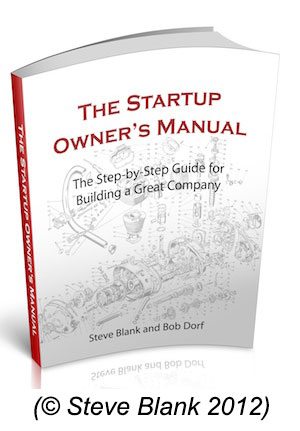
The Startup Owner’s Manual

[cs_content][cs_section parallax=”false” separator_top_type=”none” separator_top_height=”50px” separator_top_angle_point=”50″ separator_bottom_type=”none” separator_bottom_height=”50px” separator_bottom_angle_point=”50″ style=”margin: 0px;padding: 0px;”][cs_row inner_container=”true” marginless_columns=”false” style=”margin: 0px auto;padding: 0px;”][cs_column fade=”false” fade_animation=”in” fade_animation_offset=”45px” fade_duration=”750″ type=”1/1″ style=”padding: 0px;”][x_image type=”none” src=”http://ctinnovations.com/wp-content/uploads/2017/05/Content-Detail-News.jpg” alt=”” link=”false” href=”#” title=”” target=”” info=”none” info_place=”top” info_trigger=”hover” info_content=””][/cs_column][/cs_row][/cs_section][cs_section parallax=”false” separator_top_type=”none” separator_top_height=”50px” separator_top_angle_point=”50″ separator_bottom_type=”none” separator_bottom_height=”50px” separator_bottom_angle_point=”50″ style=”margin: 0px;padding: 45px 0px;”][cs_row inner_container=”true” marginless_columns=”false” style=”margin: 0px auto;padding: 0px;”][cs_column fade=”false” fade_animation=”in” fade_animation_offset=”45px” fade_duration=”750″ type=”1/1″ style=”padding: 0px;”][cs_text]The Startup Owner’s Manual

startup owners manualThe Step-by-Step Guide for Building a Great Company


Chapter Two – The Path to the Epiphany: The Customer Development Model
By Steve Blank and Bob Dorf

This chapter is an exerpt from The Startup Owner’s Manual (available on Amazon) by Steve Blank and Bob Dorf.


Steve BlankSteve Blank is the legendary serial Silicon Valley entrepreneur-turned-educator who created and refined the Customer Development process. Steve can be reached at info@kandsranch.com.


Bob DorfHis co-author is Stamford, Connecticut, resident Bob Dorf, an allegedly retired serial entrepreneur, who trains and coaches startups. Bob can be reached at bobdorf@gmail.com.



Link to PDF[/cs_text][/cs_column][/cs_row][/cs_section][cs_section parallax=”false” separator_top_type=”none” separator_top_height=”50px” separator_top_angle_point=”50″ separator_bottom_type=”none” separator_bottom_height=”50px” separator_bottom_angle_point=”50″ class=”cs-ta-left” style=”margin: 0px;padding: 45px 0px;”][cs_row inner_container=”true” marginless_columns=”false” style=”margin: 0px auto;padding: 0px;”][cs_column fade=”false” fade_animation=”in” fade_animation_offset=”45px” fade_duration=”750″ type=”1/1″ style=”padding: 0px;”][x_image type=”none” src=”http://ctinnovations.com/wp-content/uploads/2017/04/backtocontentlibrary.png” alt=”back to content library” link=”true” href=”http://ctinnovations.com/access-content-library/” title=”” target=”” info=”none” info_place=”top” info_trigger=”hover” info_content=”” class=”back-image”][/cs_column][/cs_row][/cs_section][/cs_content]

How I Did It – An Interview with Andy Greenawalt

[cs_content][cs_section parallax=”false” style=”margin: 0px;padding: 0px;”][cs_row inner_container=”true” marginless_columns=”false” style=”margin: 0px auto;padding: 0px;”][cs_column fade=”false” fade_animation=”in” fade_animation_offset=”45px” fade_duration=”750″ type=”1/1″ style=”padding: 0px;”][x_image type=”none” src=”http://ctinnovations.com/wp-content/uploads/2017/05/Content-Detail-News.jpg” alt=”” link=”false” href=”#” title=”” target=”” info=”none” info_place=”top” info_trigger=”hover” info_content=””][/cs_column][/cs_row][/cs_section][cs_section parallax=”false” style=”margin: 0px;padding: 45px 0px;”][cs_row inner_container=”true” marginless_columns=”false” style=”margin: 0px auto;padding: 0px;”][cs_column fade=”false” fade_animation=”in” fade_animation_offset=”45px” fade_duration=”750″ type=”1/1″ style=”padding: 0px;”][cs_text]How I Did It – An Interview with Andy Greenawalt

Andy GreenawaltAndy is the founder and CEO of Continuity Control. He’s a startup veteran, having been actively involved in startup ventures for more than 20 years. In addition to Continuity, he was the founder and CTO of Perimeter eSecurity, where he invented “security in the cloud” in 1997, and started his first ventures while still a student. His various businesses have been recognized by the Inc. 500, Finovate, and Bank Technology News, among others, for their success and impact. Andy is an active leader in the Connecticut technology community as the vice chairman of the Connecticut Technology Council, a board member of the Yale Entrepreneurial Institute and coach in the FIRST Robotics Competition. He studied philosophy and linguistics at UMass Amherst. Andy lives in Monroe, Connecticut, with his wife of 21 years and their two boys. Below is an edited version of a recent discussion.

CI: What started you on the path of entrepreneurship?

AG: I grew up in an entrepreneurial family and was a geek by background, so I was always building things and starting ventures as far back as I can remember. Many of us run into a corporate roadblock, when the company we work for doesn’t want to build something the way we think it should be built. In the mid-1990s, I was working for a company that did consulting. Connected networks were emerging. I said, “There is a world of opportunity out there, and let’s go get it!” I saw that what people really want is service, where they can pay a monthly fee and get just the function they want. I suggested we charge a subscription fee and connect by network to provide the service remotely for more people—tackle the problem in a different way. At the time, standard businesses had no appetite for doing it that way. Being young and stupid at the time, I took a shot and started my own business. I was 29.

CI: What did you learn from your first startup experience?

AG: I learned that the idea is probably about 10 percent of what it takes to start a business. When you’re young, you have a dream. You think, “We’ll build it and they’ll come.” I underestimated the obstacles and the level of perseverance needed—and the importance of luck. In the late 90s, when we were operating out of the basement, we managed against all odds to sign two massive businesses as customers. To facilitate that business, we needed $1.5 million of equipment. I applied to lease the equipment. I was shocked when the company agreed to lease it to us. Still, we got the equipment and put it into the field. Then the company realized it had based its credit study not on our company, but on a company with a similar name! At first, they wanted the equipment back. But we made our payments month after month, and the rest is history. That business’s success swung on a typographical error.

The point is that luck plays an important role. You need to position yourself to stay in the game long enough to get lucky. You can’t run out of steam before the luck shows up.

CI: What are some of the pitfalls entrepreneurs need to look out for?

AG: The vast majority of businesses stall out at about $1 million in revenue because they’re not thinking like a larger business. You need the long-range perspective to see that you’re actually a big business; you’re just small right now. It’s like looking at your child and seeing the man this boy might grow to be.

CI: How would that perspective translate into action?

AG: You need to systematically remove your obstacles. A lot of that has to do with creating clarity around what the client is actually buying and around the system of delivery. Often, in the early stage, there are a few great people in your company who make clients happy, but it’s not a well-understood system. You have to understand what the core DNA is that makes clients happy and try to replicate it, going from a person to a system.

It’s common for founders and entrepreneurs to be very high-functioning in many areas—marketing, technology, finance and more. But in reality, they’re not great in any more than one or two areas. When building a business, you have to recognize what the component parts are and think about managing supply, delivery and other components as if you’re a billion-dollar company. You have to see that something that’s one person’s responsibility today in 10 years will be a department with a whole team. This is a major human resource challenge.

CI: What are some of the other human resource issues entrepreneurs need to focus on?

AG: You have to understand your own weaknesses and build a team around you—create a yin to your yang. You need to build a team of opposites that are highly fluid. You’re inventing a business that hasn’t existed before, so you need people who have incredibly high capabilities but who are flexible and fluid enough to deal with uncertainties.

CI: You’re involved in startups as an investor now. What advice would you give to entrepreneurs seeking venture capital?

AG: For a first-time entrepreneur, raising capital is a scary prospect. Many put together a PowerPoint and go talk to money. But they don’t stop and honestly reflect on whether or not they’re bankable. I went through that and realized I hadn’t done what was necessary to get financing for a company. So I got other experienced people and made them my bosses.

If you pitch to several VCs, and you keep getting no, you have to ask yourself why. Go back to the VC and ask why and truly listen to what they say.

As an investor, one common situation I see is that entrepreneurs don’t understand that the market for their product is too small. The possibility of building a big business is small, because the whole market isn’t that big. Some folks just don’t understand that.

CI: What is the biggest lesson you learned as an entrepreneur?

AG: Don’t hire anyone unless you have three viable candidates. When you’re starting a company, you’re trying to conserve cash, so you end up hiring someone when you actually needed that person three months before. Because of that, you’re tempted to hire the first person who walks in the door, and you invariably regret it. By having three good candidates, you can compare and contrast and choose the best one. If you do that, you’re always much better off.

 
Link to PDF[/cs_text][/cs_column][/cs_row][/cs_section][cs_section parallax=”false” class=”cs-ta-left” style=”margin: 0px;padding: 45px 0px;”][cs_row inner_container=”true” marginless_columns=”false” style=”margin: 0px auto;padding: 0px;”][cs_column fade=”false” fade_animation=”in” fade_animation_offset=”45px” fade_duration=”750″ type=”1/1″ style=”padding: 0px;”][x_image type=”none” src=”http://ctinnovations.com/wp-content/uploads/2017/04/backtocontentlibrary.png” alt=”back to content library” link=”true” href=”http://ctinnovations.com/access-content-library/” title=”” target=”” info=”none” info_place=”top” info_trigger=”hover” info_content=”” class=”back-image”][/cs_column][/cs_row][/cs_section][/cs_content]

Newer Posts
Phone
  • General Inquiries 860.258.7858
  • Main Office 860.563.5851
Email
info@ctinnovations.com
Address
470 James Street, Ste 8
New Haven, CT 06513
Newsletter Sign Up
© 2026 Connecticut Innovations
  • TERMS & CONDITIONS