• Venture Portfolio
  • Meet Our Team
  • Learn About CI
    • Who We Are
    • Venture Portfolio
    • Successful Exits
    • Case Studies
    • Meet Our Team
    • Financial Information
    • Talent Acquisition
    • Press
    • Governance
    • RFPs/RFIs/Notice of Public Hearings
  • Obtain Funding
    • Funding Opportunities
    • Angel Investor Tax Credit Program
    • SSBCI Technical Assistance Program
  • Investors
    • Investment Strategy
    • Venture Portfolio
    • Meet Our Team
  • Explore Connections
  • Access Content Library
  • Job Seekers
  • Connect With Us

Cybersecurity Imperatives for Startups

Cybersecurity Imperatives for Startups

Incidents of cyberattacks and malicious hacking seem to be dominating the news cycle of late, but computer system crimes have been increasing since the late 1980s. Many of the early occurrences were not meant to be harmful—skilled young programmers, often on a lark, sought to challenge the defenses of cyberspace.

Today’s attacks, however, have been far more nefarious—like the May 2017 WannaCry ransomware outbreak that affected more than 200,000 victims in at least 150 countries. While such high-profile cyberattacks tend to grab headlines, it’s really small businesses and startup companies that are the most vulnerable targets for cybercriminals. Yet, due to inattention and lack of resources, these businesses often have the least-protected IT infrastructures.

SOBERING STATISTICS

A May 2016 cybersecurity survey published by smallbiztrends.com shows that, “small businesses are not only at risk of an attack, but many have already been attacked. 55% of the respondents said their companies had experienced a cyber attack and 50% had data breaches involving customer and employee information over the prior 12 months.”

Perhaps the biggest cybersecurity risk facing small businesses is their failure to recognize the potential losses they could face. Research published by Towergate Insurance indicated that, “82 percent of small business owners believe they are not targets for cyberattacks because they don’t have anything of value to steal.” But the reality is that even small businesses have a lot to protect including their intellectual property, brand, reputation, and customer information.

Furthermore, if a cyberattack results in significant system down time, that loss of income may be unrecoverable. U.S. Congressional lawmakers in proposing legislation to help small businesses have stated that, “60 percent of small businesses that suffer a data breach go out of business within six months.” And according to its annual Cost of a Data Breach Study, the Ponemon Institute found that the average cost of a data breach increased from $3.79 million to $4 million in 2016.

TYPES OF CYBERTHREATS

There are many different types of cyberattacks with new techniques continuing to evolve daily. While cybersecurity and IT professionals work tirelessly to uncover and neutralize malicious threats, hackers are doggedly working to expose and exploit new vulnerabilities.  While monetary gain is the most common motive for cyberattacks, disgruntled employees, vindictive competitors, angry customers and more can also pose a threat. The following list includes the most pervasive types of cyberattacks perpetrated today.

Malware is a broad term for a range of cyberthreats including Trojan horses, viruses, worms, spyware and the particularly notorious ransomware. These types of electronic infections typically enter systems via email attachments, software downloads or operating system vulnerabilities and often spread to other connected computers in a network.

Denial-of-Service/Flooding refers to attacks meant to intentionally overload a website or network with data requests as a means of crippling the system and blocking those with legitimate reasons to access system operations or functions.

Password Cracking efforts strive to discover passwords using techniques such as Brute force Attacks, which methodically try every password possibility one by one, Dictionary Attacks, which test various combinations of dictionary words and Keystroke Logging Infections, viruses that track user keystrokes.

Phishing usually employs an official-looking email or pop-up advertisement to entice customers or employees to click on a link and reveal their user names, passwords, account information or credit card numbers.

Man-In-the-Middle Attacks are a ruse whereby the perpetrator pretends to be both parties on either side of an online exchange. For instance, the criminal would trick a bank customer into thinking he or she is communicating with his or her online bank and once the customer logs in to the bank’s secure server, the criminal has full access to the customer’s accounts.

Pharming occurs when website visitors are redirected from a legitimate website to a bogus, imitation website. Once on the phony site, the customer can unknowingly share personal details such as credit card numbers and account information.

Inside Attacks can be the most disheartening for companies to face because they are the result of the deeds or misdeeds, whether malicious or unintentional, of their own employees. Disloyal and disgruntled employees in particular can pose a grave threat when their vindictive motives are unknown.

CYBERSECURITY SOLUTIONS

Once the various methods of cyberattacks are understood and the potential motivations for cybercrimes are explored, the question that remains is how small business and startups can protect themselves.  To that end, the Federal Communications Commission has provided the following guidelines.

Ten Cybersecurity Tips For Small Businesses

  1. Train employees in security principles. Establish basic security practices and policies for employees, such as requiring strong passwords and establish appropriate Internet use guidelines with penalties for violating company cybersecurity policies. Establish rules of behavior describing how to protect customer information and other vital data.
  2. Protect information, computers, and networks from cyber attacks. Keeping clean machines with the latest security software, web browser, and operating system is the best defense against viruses, malware, and other online threats. Set antivirus software to run a scan after each update. Install other key software updates as soon as they are available.
  3. Provide firewall security for your Internet connection. Make sure the operating system’s firewall is enabled or install free firewall software available online. If employees work from home, ensure that their home system(s) are protected by a firewall.
  4. Create a mobile device action plan. Mobile devices can create significant security challenges, especially if they hold confidential information or can access the corporate network. Require users to password protect their devices, encrypt their data, and install security apps to prevent criminals from stealing information through public networks. Be sure to set reporting procedures for lost or stolen equipment.
  5. Make backup copies of important business data and information. Regularly backup the data on all computers. Critical data includes word processing documents, electronic spreadsheets, databases, financial files, human resources files, and accounts receivable/payable files. Backup data automatically if possible, or at least weekly and store the copies either offsite or in the cloud.
  6. Control physical access to your computers and create user accounts for each employee. Prevent access or use of business computers by unauthorized individuals. Laptops can be particularly easy targets for theft or can be lost, so lock them up when unattended. Make sure a separate user account is created for each employee and require strong passwords. Administrative privileges should only be given to trusted IT staff and key personnel.
  7. Secure your Wi-Fi networks. If you have a Wi-Fi network for your workplace, make sure it is secure, encrypted, and hidden. To hide your Wi-Fi network, set up your wireless access point or router so it does not broadcast the network name, known as the Service Set Identifier (SSID). Password protect access to the router.
  8. Employ best practices on payment cards. Work with banks or processors to ensure the most trusted and validated tools and anti-fraud services are being used. You may also have additional security obligations pursuant to agreements with your bank or processor. Isolate payment systems from other, less secure programs and don’t use the same computer to process payments and surf the Internet.
  9. Limit employee access to data and information, and limit authority to install software. Do not provide any one employee with access to all data systems. Employees should only be given access to the specific data systems that they need for their jobs, and should not be able to install any software without permission.
  10. Passwords and authentication. Require employees to use unique passwords and change passwords every three months. Consider implementing multifactor authentication that requires additional information beyond a password to gain entry. Check with your vendors that handle sensitive data, especially financial institutions, to see if they offer multifactor authentication for your account.

EXPERT GUIDANCE

To lend further context to this vital subject matter for small businesses and startups, we’ve tapped a couple of industry experts who are in the trenches day after day and have seen more than their share of the cyber underworld.

Gilad PelegGilad Peleg is CEO of SecBI—Security Business Intelligence—a well-known organization in the cybersecurity field for its adaptive investigation platform designed to help security experts and organizations investigate, respond to and prevent breaches. Here are some of his thoughts:

Don’t Forget to Protect Your Most Valuable Asset—Your Idea

As Peleg pointed out, “Every startup’s main asset is its Intellectual Property. They usually invest heavily in creating it, and very little in protecting it! Startups work fast and in distributed environments employing myriad tools, platforms and locations (on premise, cloud, VPN and remote work) and often put less emphasis on security. Even little things like ensuring that their employees’ laptops are password protected and are not left in the car [should not be] ignored.”

Think Beyond the Basics

Peleg said, “Startups need to deploy the basic security controls such as firewalls, anti-virus, secure web gateways, etc.  However, deploying such systems is not a foolproof solution. Hackers might (and probably will) get through to access your network and possibly exfiltrate sensitive data. Today’s cyber security attacks utilize very advanced techniques that are extremely hard to detect, requiring great skill and expertise to perform what is called ‘threat hunting.’ Most startups do not have dedicated security personnel. This means they need to employ very efficient technology such as machine learning and artificial intelligence to enhance their security posture.”

Consistently Test Cybersecurity Systems

Peleg emphasized, “You can’t close all holes, but you can make a serious attempt to do as much as you can and then test yourself. Once all security controls have been deployed, utilize a solution that can quickly assess whether the network [has been] compromised or if there are active breaches or signs of data exfiltration.”

Yoni Shohet We also spoke with Yoni Shohet, Co-Founder and CEO of SCADAfence, a pioneering organization that delivers innovative cybersecurity solutions to the pharmaceutical, chemical, food and beverage, automotive and building automation industries.

As this article has stated, many startups underestimate their exposure to cyber threats. Shohet said, “Today, cybercriminals are able to gain financial benefits from hacking any organization – big or small. This is mainly thanks to ransomware attacks where the adversary takes control over sensitive data/devices and demands money in return. Any company that has Internet connected computers can easily become victims of such attacks where they can lose control over their intellectual property or sensitive customer data. Therefore, all companies must take the proper measures to ensure safety from these types of attacks—including proper backup of data, strict access control, strong authentication and encryption.”

Be Wary of Third-Party Vulnerabilities

As Shohet would point out to startups, “You are only as strong as your weakest link. This is true when it comes to third party vendors and your supply chain. Startups need to make sure that when they allow external parties to access their data, they should always make sure that they only have access to required information and that the maximum protection is put in place. This will allow these companies to better contain the potential damage caused by third parties.”

Start With the End In Mind

A final piece of advice Shohet offered is that, “Startups should build their own products with security in mind. This means ensuring that during the entire development life cycle that the products they develop are not vulnerable to attacks. For example, certain products cannot afford to risk an attack that might interfere with their operation or switch them off completely—such as lifesaving medical devices or smart home devices. Therefore, these products must be tested for security issues and vulnerabilities throughout the entire development process.”

FINAL WORD: MAKE CYBERSECURITY A TOP PRIORITY

As evidenced by the increasing number of cybercrimes targeting vulnerable small businesses, cybersecurity is a risk that startups must be prepared to actively manage. That means everyone in the organization—from owners to employees—must recognize the importance of protecting the company and its customers and be an integral part of the solution.

Does Your Startup Need Social Media to Thrive?

Does Your Startup Need Social Media to Thrive?

text bubbles

If you ask any marketer whether social media is critical to building an audience, you’d be hardpressed to find one who would say no. Most brands have a presence on LinkedIn, Twitter and Facebook, if not Instagram, Pinterest, Google+ and Snapchat.


Link to PDF

Five Tips for a Winning Fintech Pitch

[cs_content][cs_section parallax=”false” separator_top_type=”none” separator_top_height=”50px” separator_top_angle_point=”50″ separator_bottom_type=”none” separator_bottom_height=”50px” separator_bottom_angle_point=”50″ style=”margin: 0px;padding: 0px;”][cs_row inner_container=”true” marginless_columns=”false” style=”margin: 0px auto;padding: 0px;”][cs_column fade=”false” fade_animation=”in” fade_animation_offset=”45px” fade_duration=”750″ type=”1/1″ style=”padding: 0px;”][x_image type=”none” src=”http://ctinnovations.com/wp-content/uploads/2017/05/Content-Detail-News.jpg” alt=”” link=”false” href=”#” title=”” target=”” info=”none” info_place=”top” info_trigger=”hover” info_content=””][/cs_column][/cs_row][/cs_section][cs_section parallax=”false” separator_top_type=”none” separator_top_height=”50px” separator_top_angle_point=”50″ separator_bottom_type=”none” separator_bottom_height=”50px” separator_bottom_angle_point=”50″ style=”margin: 0px;padding: 45px 0px;”][cs_row inner_container=”true” marginless_columns=”false” style=”margin: 0px auto;padding: 0px;”][cs_column fade=”false” fade_animation=”in” fade_animation_offset=”45px” fade_duration=”750″ type=”1/1″ style=”padding: 0px;”][cs_text]Five Tips for a Winning Fintech Pitch

post it notes wireframe

Raising money is hard. So hard, in fact, that it is usually the first thing entrepreneurs ask us about. Since Connecticut just launched a $5 million global pitch competition for fintech and digital health companies, I thought it would be an opportune time to take another look at what makes a pitch attractive to investors. These five recommendations can apply to just about any tech startup, but given the focus of VentureClash, I’ve emphasized topics of particular interest to the fintech industry.


Link to PDF[/cs_text][/cs_column][/cs_row][/cs_section][cs_section parallax=”false” separator_top_type=”none” separator_top_height=”50px” separator_top_angle_point=”50″ separator_bottom_type=”none” separator_bottom_height=”50px” separator_bottom_angle_point=”50″ class=”cs-ta-left” style=”margin: 0px;padding: 45px 0px;”][cs_row inner_container=”true” marginless_columns=”false” style=”margin: 0px auto;padding: 0px;”][cs_column fade=”false” fade_animation=”in” fade_animation_offset=”45px” fade_duration=”750″ type=”1/1″ style=”padding: 0px;”][x_image type=”none” src=”http://ctinnovations.com/wp-content/uploads/2017/04/backtocontentlibrary.png” alt=”back to content library” link=”true” href=”http://ctinnovations.com/access-content-library/” title=”” target=”” info=”none” info_place=”top” info_trigger=”hover” info_content=”” class=”back-image”][/cs_column][/cs_row][/cs_section][/cs_content]

What Is Venture Capital?

[cs_content][cs_section parallax=”false” style=”margin: 0px;padding: 0px;”][cs_row inner_container=”true” marginless_columns=”false” style=”margin: 0px auto;padding: 0px;”][cs_column fade=”false” fade_animation=”in” fade_animation_offset=”45px” fade_duration=”750″ type=”1/1″ style=”padding: 0px;”][x_image type=”none” src=”http://ctinnovations.com/wp-content/uploads/2017/05/Content-Detail-News.jpg” alt=”” link=”false” href=”#” title=”” target=”” info=”none” info_place=”top” info_trigger=”hover” info_content=””][/cs_column][/cs_row][/cs_section][cs_section parallax=”false” style=”margin: 0px;padding: 45px 0px;”][cs_row inner_container=”true” marginless_columns=”false” style=”margin: 0px auto;padding: 0px;”][cs_column fade=”false” fade_animation=”in” fade_animation_offset=”45px” fade_duration=”750″ type=”1/1″ style=”padding: 0px;”][cs_text]What is Venture Capital?

Venture capital has enabled the United States to support its entrepreneurial talent and appetite by turning ideas and basic science into products and services that are the envy of the world. The 2016 National Venture Capital Association Yearbook explains risk capital for business, deal flows, common structure and what’s ahead.

Link to PDF[/cs_text][/cs_column][/cs_row][/cs_section][cs_section parallax=”false” class=”cs-ta-left” style=”margin: 0px;padding: 45px 0px;”][cs_row inner_container=”true” marginless_columns=”false” style=”margin: 0px auto;padding: 0px;”][cs_column fade=”false” fade_animation=”in” fade_animation_offset=”45px” fade_duration=”750″ type=”1/1″ style=”padding: 0px;”][x_image type=”none” src=”http://ctinnovations.com/wp-content/uploads/2017/04/backtocontentlibrary.png” alt=”back to content library” link=”true” href=”http://ctinnovations.com/access-content-library/” title=”” target=”” info=”none” info_place=”top” info_trigger=”hover” info_content=”” class=”back-image”][/cs_column][/cs_row][/cs_section][/cs_content]

A 30-Year Veteran Investor on the Mistake He Wishes You’d Stop Making, and Why He Prefers Younger Entrepreneurs

[cs_content][cs_section parallax=”false” separator_top_type=”none” separator_top_height=”50px” separator_top_angle_point=”50″ separator_bottom_type=”none” separator_bottom_height=”50px” separator_bottom_angle_point=”50″ style=”margin: 0px;padding: 0px;”][cs_row inner_container=”true” marginless_columns=”false” style=”margin: 0px auto;padding: 0px;”][cs_column fade=”false” fade_animation=”in” fade_animation_offset=”45px” fade_duration=”750″ type=”1/1″ style=”padding: 0px;”][x_image type=”none” src=”http://ctinnovations.com/wp-content/uploads/2017/05/Content-Detail-News.jpg” alt=”” link=”false” href=”#” title=”” target=”” info=”none” info_place=”top” info_trigger=”hover” info_content=””][/cs_column][/cs_row][/cs_section][cs_section parallax=”false” separator_top_type=”none” separator_top_height=”50px” separator_top_angle_point=”50″ separator_bottom_type=”none” separator_bottom_height=”50px” separator_bottom_angle_point=”50″ style=”margin: 0px;padding: 45px 0px;”][cs_row inner_container=”true” marginless_columns=”false” style=”margin: 0px auto;padding: 0px;”][cs_column fade=”false” fade_animation=”in” fade_animation_offset=”45px” fade_duration=”750″ type=”1/1″ style=”padding: 0px;”][cs_text]A 30-Year Veteran Investor On the Mistake He Wishes You’d Stop Making, and Why He Prefers Younger Entrepreneurs

coworking collaboration huddle

Russell “Russ” Tweeddale, an engineer, Marine, and investor with Connecticut Innovations for more than three decades, sat down this week to talk shop with Douglas Roth, CI’s director of investments. Over the course of their hour-long chat, during which they covered everything from fuel cells to the importance of strong advisory boards, Russ imparted some hard-won pearls of wisdom he gained while investing more than $75 million in numerous Connecticut companies.


Link to PDF[/cs_text][/cs_column][/cs_row][/cs_section][cs_section parallax=”false” separator_top_type=”none” separator_top_height=”50px” separator_top_angle_point=”50″ separator_bottom_type=”none” separator_bottom_height=”50px” separator_bottom_angle_point=”50″ class=”cs-ta-left” style=”margin: 0px;padding: 45px 0px;”][cs_row inner_container=”true” marginless_columns=”false” style=”margin: 0px auto;padding: 0px;”][cs_column fade=”false” fade_animation=”in” fade_animation_offset=”45px” fade_duration=”750″ type=”1/1″ style=”padding: 0px;”][x_image type=”none” src=”http://ctinnovations.com/wp-content/uploads/2017/04/backtocontentlibrary.png” alt=”back to content library” link=”true” href=”http://ctinnovations.com/access-content-library/” title=”” target=”” info=”none” info_place=”top” info_trigger=”hover” info_content=”” class=”back-image”][/cs_column][/cs_row][/cs_section][/cs_content]

The Relationship Guru

[cs_content][cs_section parallax=”false” separator_top_type=”none” separator_top_height=”50px” separator_top_angle_point=”50″ separator_bottom_type=”none” separator_bottom_height=”50px” separator_bottom_angle_point=”50″ style=”margin: 0px;padding: 0px;”][cs_row inner_container=”true” marginless_columns=”false” style=”margin: 0px auto;padding: 0px;”][cs_column fade=”false” fade_animation=”in” fade_animation_offset=”45px” fade_duration=”750″ type=”1/1″ style=”padding: 0px;”][x_image type=”none” src=”http://ctinnovations.com/wp-content/uploads/2017/05/Content-Detail-News.jpg” alt=”” link=”false” href=”#” title=”” target=”” info=”none” info_place=”top” info_trigger=”hover” info_content=””][/cs_column][/cs_row][/cs_section][cs_section parallax=”false” separator_top_type=”none” separator_top_height=”50px” separator_top_angle_point=”50″ separator_bottom_type=”none” separator_bottom_height=”50px” separator_bottom_angle_point=”50″ style=”margin: 0px;padding: 45px 0px;”][cs_row inner_container=”true” marginless_columns=”false” style=”margin: 0px auto;padding: 0px;”][cs_column fade=”false” fade_animation=”in” fade_animation_offset=”45px” fade_duration=”750″ type=”1/1″ style=”padding: 0px;”][cs_text]The Relationship Guru

job interview

An executive coach and expert on leadership excellence, Claudio Toyama excels at inspiring lasting transformations in C-level executives and their companies. His satisfied clients, which include Bosch, the Brazilian government, Nokia, DSM, Reuters, UNICEF and TED Fellows, span the globe, but we got Toyama to stay in one place long enough to answer our questions about maximizing the entrepreneur-investor relationship.


Link to PDF[/cs_text][/cs_column][/cs_row][/cs_section][cs_section parallax=”false” separator_top_type=”none” separator_top_height=”50px” separator_top_angle_point=”50″ separator_bottom_type=”none” separator_bottom_height=”50px” separator_bottom_angle_point=”50″ class=”cs-ta-left” style=”margin: 0px;padding: 45px 0px;”][cs_row inner_container=”true” marginless_columns=”false” style=”margin: 0px auto;padding: 0px;”][cs_column fade=”false” fade_animation=”in” fade_animation_offset=”45px” fade_duration=”750″ type=”1/1″ style=”padding: 0px;”][x_image type=”none” src=”http://ctinnovations.com/wp-content/uploads/2017/04/backtocontentlibrary.png” alt=”back to content library” link=”true” href=”http://ctinnovations.com/access-content-library/” title=”” target=”” info=”none” info_place=”top” info_trigger=”hover” info_content=”” class=”back-image”][/cs_column][/cs_row][/cs_section][/cs_content]

Entrepreneurs—Wary of Dilution? A Perspective to Consider

[cs_content][cs_section parallax=”false” separator_top_type=”none” separator_top_height=”50px” separator_top_angle_point=”50″ separator_bottom_type=”none” separator_bottom_height=”50px” separator_bottom_angle_point=”50″ style=”margin: 0px;padding: 0px;”][cs_row inner_container=”true” marginless_columns=”false” style=”margin: 0px auto;padding: 0px;”][cs_column fade=”false” fade_animation=”in” fade_animation_offset=”45px” fade_duration=”750″ type=”1/1″ style=”padding: 0px;”][x_image type=”none” src=”http://ctinnovations.com/wp-content/uploads/2017/05/Content-Detail-News.jpg” alt=”” link=”false” href=”#” title=”” target=”” info=”none” info_place=”top” info_trigger=”hover” info_content=””][/cs_column][/cs_row][/cs_section][cs_section parallax=”false” separator_top_type=”none” separator_top_height=”50px” separator_top_angle_point=”50″ separator_bottom_type=”none” separator_bottom_height=”50px” separator_bottom_angle_point=”50″ style=”margin: 0px;padding: 45px 0px;”][cs_row inner_container=”true” marginless_columns=”false” style=”margin: 0px auto;padding: 0px;”][cs_column fade=”false” fade_animation=”in” fade_animation_offset=”45px” fade_duration=”750″ type=”1/1″ style=”padding: 0px;”][cs_text]Entrepreneurs—Wary of Dilution? A Perspective to Consider

papercut men line

Most entrepreneurs are loath to give up equity—anyone who has ever watched Shark Tank knows that. And it makes sense. After all, it’s your breakthrough idea, your money (and sometimes your family’s and friends’ money), your sleepless nights and your hard work. When you’re pouring all that into a venture, you should be the one to call the shots and reap the spoils. It stands to reason that the more equity you take—in other words, the more ownership you give away—the less control you have over your business. And of course, you stand to make less money upon exiting, right?


Click below to learn more.

Link to PDF[/cs_text][/cs_column][/cs_row][/cs_section][cs_section parallax=”false” separator_top_type=”none” separator_top_height=”50px” separator_top_angle_point=”50″ separator_bottom_type=”none” separator_bottom_height=”50px” separator_bottom_angle_point=”50″ class=”cs-ta-left” style=”margin: 0px;padding: 45px 0px;”][cs_row inner_container=”true” marginless_columns=”false” style=”margin: 0px auto;padding: 0px;”][cs_column fade=”false” fade_animation=”in” fade_animation_offset=”45px” fade_duration=”750″ type=”1/1″ style=”padding: 0px;”][x_image type=”none” src=”http://ctinnovations.com/wp-content/uploads/2017/04/backtocontentlibrary.png” alt=”back to content library” link=”true” href=”http://ctinnovations.com/access-content-library/” title=”” target=”” info=”none” info_place=”top” info_trigger=”hover” info_content=”” class=”back-image”][/cs_column][/cs_row][/cs_section][/cs_content]

Writing a Compelling Executive Summary

[cs_content][cs_section parallax=”false” separator_top_type=”none” separator_top_height=”50px” separator_top_angle_point=”50″ separator_bottom_type=”none” separator_bottom_height=”50px” separator_bottom_angle_point=”50″ style=”margin: 0px;padding: 0px;”][cs_row inner_container=”true” marginless_columns=”false” style=”margin: 0px auto;padding: 0px;”][cs_column fade=”false” fade_animation=”in” fade_animation_offset=”45px” fade_duration=”750″ type=”1/1″ style=”padding: 0px;”][x_image type=”none” src=”http://ctinnovations.com/wp-content/uploads/2017/05/Content-Detail-News.jpg” alt=”” link=”false” href=”#” title=”” target=”” info=”none” info_place=”top” info_trigger=”hover” info_content=””][/cs_column][/cs_row][/cs_section][cs_section parallax=”false” separator_top_type=”none” separator_top_height=”50px” separator_top_angle_point=”50″ separator_bottom_type=”none” separator_bottom_height=”50px” separator_bottom_angle_point=”50″ style=”margin: 0px;padding: 45px 0px;”][cs_row inner_container=”true” marginless_columns=”false” style=”margin: 0px auto;padding: 0px;”][cs_column fade=”false” fade_animation=”in” fade_animation_offset=”45px” fade_duration=”750″ type=”1/1″ style=”padding: 0px;”][cs_text]9 Tips on How to Write a Compelling Executive Summary for Investors

How to convince investors your market-changing business idea is something credible and compelling

wall mind map

The objective of your executive summary is to sell, not to describe, the value of the technology. If you can’t engage the reader in 30 seconds, you have lost your best, and possibly only, opportunity. If you pique the reader’s interest here, he or she will ask for more details.

  1. GRAB the audience
    You need a leading “WOW” statement said in a sentence or two. Write a concise statement of the solution you have created to solve a need in a market.
  1. PROBLEM
    State clearly the important current or emerging problem in the market and the failure of others to adequately solve that problem.
  1. SOLUTION
    State your VALUE PROPOSITION. What are you offering, and who is the audience?  In layman’s terms, identify the product that solves the problem you identified. Answer these questions: Does your solution reduce costs? Is it less expensive than competing products and/or more effective? Can it replace the gold standard for good reason? State positives and skip negatives.  
  1. OPPORTUNITY
    Give a few sentences on the specific market size and potential growth rate. Don’t exaggerate your potential share of that market. Don’t bite the whole apple in one try.
  2. COMPETITION
    Know that everyone has competition in some area, so define your sustainable competitive advantages and state them clearly. Briefly identify your barriers to entry. One or two sentences are sufficient here.
  1. Your TEAM
    Give the name and the pertinent experience of the members; not a resume here. Why is this team the right/best team? Here is where you can drop a couple of impressive names of either high-powered advisors or partners. Make sure they are real. Don’t use the names of persons not willing to speak for your endeavor.
  1. Business MODEL
    How are you going to generate revenues, and from what source? Is your model scalable and capital efficient? Give a brief description here of revenues, units produced, margins and customer growth. Give a brief outlook of three to five years. You can attach your financial statements or have them ready to present.
  1. The ASK
    What is the amount of funding you are seeking? What milestone(s) will that amount let you achieve, and over what period of time? Combine frugal spending with realistic needs to meet what you promise. If you plan to secure additional financing later, make that clear here and state the proposed amount of any possible round(s).
  1. PROMISE
    Besides promising a return on the investment, your summary financial projections should clearly show how the revenues are going to exceed the capital invested plus all expenses. Give some key plays such as number of customers and, if applicable, the number of units bought per year.

CONCLUSION
You should be able to convey your executive summary in six to eight paragraphs. Each point should be made in two to three simple, clear and specific sentences. This usually requires about two pages to cover sufficiently

TIPS:

  • Have someone not familiar with your business read the executive summary, and then ask them to tell you what they understand from their review.
  • Include your complete contact information; don’t make the other party search for it.
  • Drop names ONLY if they are real and pertinent to your cause.
  • Use simple language structure and PROOFREAD, PROOFREAD, PROOFREAD!

About the Author

Julie RaderJulie Rader is director of business development and analysis at Connecticut Innovations. You can contact her at Julie.Rader@ctinnovations.com.



Link to PDF[/cs_text][/cs_column][/cs_row][/cs_section][cs_section parallax=”false” separator_top_type=”none” separator_top_height=”50px” separator_top_angle_point=”50″ separator_bottom_type=”none” separator_bottom_height=”50px” separator_bottom_angle_point=”50″ class=”cs-ta-left” style=”margin: 0px;padding: 45px 0px;”][cs_row inner_container=”true” marginless_columns=”false” style=”margin: 0px auto;padding: 0px;”][cs_column fade=”false” fade_animation=”in” fade_animation_offset=”45px” fade_duration=”750″ type=”1/1″ style=”padding: 0px;”][x_image type=”none” src=”http://ctinnovations.com/wp-content/uploads/2017/04/backtocontentlibrary.png” alt=”back to content library” link=”true” href=”http://ctinnovations.com/access-content-library/” title=”” target=”” info=”none” info_place=”top” info_trigger=”hover” info_content=”” class=”back-image”][/cs_column][/cs_row][/cs_section][/cs_content]

Free Course: “How to Build a Startup”

[cs_content][cs_section parallax=”false” style=”margin: 0px;padding: 0px;”][cs_row inner_container=”true” marginless_columns=”false” style=”margin: 0px auto;padding: 0px;”][cs_column fade=”false” fade_animation=”in” fade_animation_offset=”45px” fade_duration=”750″ type=”1/1″ style=”padding: 0px;”][x_image type=”none” src=”http://ctinnovations.com/wp-content/uploads/2017/05/Content-Detail-News.jpg” alt=”” link=”false” href=”#” title=”” target=”” info=”none” info_place=”top” info_trigger=”hover” info_content=””][/cs_column][/cs_row][/cs_section][cs_section parallax=”false” style=”margin: 0px;padding: 45px 0px;”][cs_row inner_container=”true” marginless_columns=”false” style=”margin: 0px auto;padding: 0px;”][cs_column fade=”false” fade_animation=”in” fade_animation_offset=”45px” fade_duration=”750″ type=”1/1″ style=”padding: 0px;”][cs_text]Free Course: “How to Build a Startup”

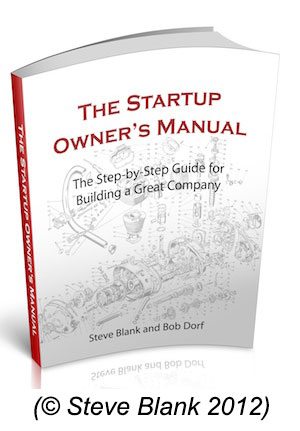
Steve Blank, a seasoned Silicon Valley entrepreneur has designed a free course on “How to Build a Startup” on Udacity. We highly recommend it to new entrepreneurs.

About Steve Blank

Steve BlankSteve Blank is the legendary serial Silicon Valley entrepreneur-turned-educator who created and refined the customer development process. Steve can be reached at info@kandsranch.com.

[/cs_text][/cs_column][/cs_row][/cs_section][cs_section parallax=”false” class=”cs-ta-left” style=”margin: 0px;padding: 45px 0px;”][cs_row inner_container=”true” marginless_columns=”false” style=”margin: 0px auto;padding: 0px;”][cs_column fade=”false” fade_animation=”in” fade_animation_offset=”45px” fade_duration=”750″ type=”1/1″ style=”padding: 0px;”][x_image type=”none” src=”http://ctinnovations.com/wp-content/uploads/2017/04/backtocontentlibrary.png” alt=”back to content library” link=”true” href=”http://ctinnovations.com/access-content-library/” title=”” target=”” info=”none” info_place=”top” info_trigger=”hover” info_content=”” class=”back-image”][/cs_column][/cs_row][/cs_section][/cs_content]

Tips for Preparing a Business Plan

[cs_content][cs_section parallax=”false” separator_top_type=”none” separator_top_height=”50px” separator_top_angle_point=”50″ separator_bottom_type=”none” separator_bottom_height=”50px” separator_bottom_angle_point=”50″ style=”margin: 0px;padding: 0px;”][cs_row inner_container=”true” marginless_columns=”false” style=”margin: 0px auto;padding: 0px;”][cs_column fade=”false” fade_animation=”in” fade_animation_offset=”45px” fade_duration=”750″ type=”1/1″ style=”padding: 0px;”][x_image type=”none” src=”http://ctinnovations.com/wp-content/uploads/2017/05/Content-Detail-News.jpg” alt=”” link=”false” href=”#” title=”” target=”” info=”none” info_place=”top” info_trigger=”hover” info_content=””][/cs_column][/cs_row][/cs_section][cs_section parallax=”false” separator_top_type=”none” separator_top_height=”50px” separator_top_angle_point=”50″ separator_bottom_type=”none” separator_bottom_height=”50px” separator_bottom_angle_point=”50″ style=”margin: 0px;padding: 45px 0px;”][cs_row inner_container=”true” marginless_columns=”false” style=”margin: 0px auto;padding: 0px;”][cs_column fade=”false” fade_animation=”in” fade_animation_offset=”45px” fade_duration=”750″ type=”1/1″ style=”padding: 0px;”][cs_text]Tips for Preparing a Business Plan

Entrepreneurs often ask us for a sample business plan and for tips on how to prepare a plan.

First and foremost, it is important to develop your business plan in a format that addresses the concerns and interests of the potential investor. This will not only help you land an initial meeting but will also assist you as you discuss your company, growth strategies and investment needs with prospective investors in subsequent meetings.

Here are some general pointers:

  • Include complete contact information on your cover page.
  • State what your company does in two to three sentences right at the beginning of the plan. Don’t leave the reader guessing until page 3.
  • Be straightforward in presenting information and outlining your investment requirements.
  • Remember that your audience may not share your industry expertise.
  • Don’t ever assume you have no competition.
  • Explain why your technology is proprietary.
  • Be realistic with your financials.
  • The appendix may include marketing materials as well as materials and/or references that verify your market.
  • Check your spelling and grammar; they do matter.

Here are the sections that should be included in your business plan:

Business Plan Outline

Cover page – include date and all contact information (1 page)

1. Executive Summary (3 to 5 pages)

A. Business proposition

B. Current status of enterprise

C. Market need being met

D. Enterprise’s product/service advantage(s)

E. Management expertise

F. Financing being sought

2. Mission Statement (1 page)

3. Marketing Plan (4 to 8 pages)

A. Market analysis

B. Product/service offerings and development

C. Competitive situation

D. Pricing

E. Channels of distribution

F. Promotional plan

G. Customer service

4. Operations or Manufacturing Plan (3 to 8 pages)

A. Facilities

B. Make versus buy decisions

C. Capital items

D. Product support

E. Quality control and assurance

F. Logistics and control

5. Human Resources Plan (2 to 5 pages)

A. Management team background and future requirements for the company

B. Position/employee additions

C. Training and special personnel-related issues

6. Risk Analysis (1 to 3 pages)

A. Business risks

B. Economic risks

7. Financial Plan (4 to 6 pages)

A. Income statement (actual vs. pro forma)

B. Balance sheet (actual vs. pro forma)

C. Cash flow statement (actual vs. pro forma)

D. Capital budget (actual vs. pro forma)

Appendix

Organizations like SCORE can assist you with putting together your business plan. There are also private entities that can help, and much information can be found on the Internet. However, always remember that you are the best person to describe the information and details of your business.

SCORE is a nonprofit association composed of volunteer business people who mentor small businesses. With chapters across the United States, including several in Connecticut, SCORE is supported by the U.S. Small Business Administration and does not charge for its services. Find them at www.score.org.

Good luck in preparing your plan! We hope these tips have been helpful.

About the Author

Julie RaderJulie Rader is director of business development and analysis at Connecticut Innovations. You can contact her at Julie.Rader@ctinnovations.com.



Link to PDF[/cs_text][/cs_column][/cs_row][/cs_section][cs_section parallax=”false” separator_top_type=”none” separator_top_height=”50px” separator_top_angle_point=”50″ separator_bottom_type=”none” separator_bottom_height=”50px” separator_bottom_angle_point=”50″ class=”cs-ta-left” style=”margin: 0px;padding: 45px 0px;”][cs_row inner_container=”true” marginless_columns=”false” style=”margin: 0px auto;padding: 0px;”][cs_column fade=”false” fade_animation=”in” fade_animation_offset=”45px” fade_duration=”750″ type=”1/1″ style=”padding: 0px;”][x_image type=”none” src=”http://ctinnovations.com/wp-content/uploads/2017/04/backtocontentlibrary.png” alt=”back to content library” link=”true” href=”http://ctinnovations.com/access-content-library/” title=”” target=”” info=”none” info_place=”top” info_trigger=”hover” info_content=”” class=”back-image”][/cs_column][/cs_row][/cs_section][/cs_content]

Newer Posts
Older Posts
Phone
  • General Inquiries 860.258.7858
  • Main Office 860.563.5851
Email
info@ctinnovations.com
Address
470 James Street, Ste 8
New Haven, CT 06513
Newsletter Sign Up
© 2026 Connecticut Innovations
  • TERMS & CONDITIONS