• Venture Portfolio
  • Meet Our Team
  • Learn About CI
    • Who We Are
    • Venture Portfolio
    • Successful Exits
    • Case Studies
    • Meet Our Team
    • Financial Information
    • Talent Acquisition
    • Press
    • Governance
    • RFPs/RFIs/Notice of Public Hearings
  • Obtain Funding
    • Funding Opportunities
    • Angel Investor Tax Credit Program
    • SSBCI Technical Assistance Program
  • Investors
    • Investment Strategy
    • Venture Portfolio
    • Meet Our Team
  • Explore Connections
  • Access Content Library
  • Job Seekers
  • Connect With Us

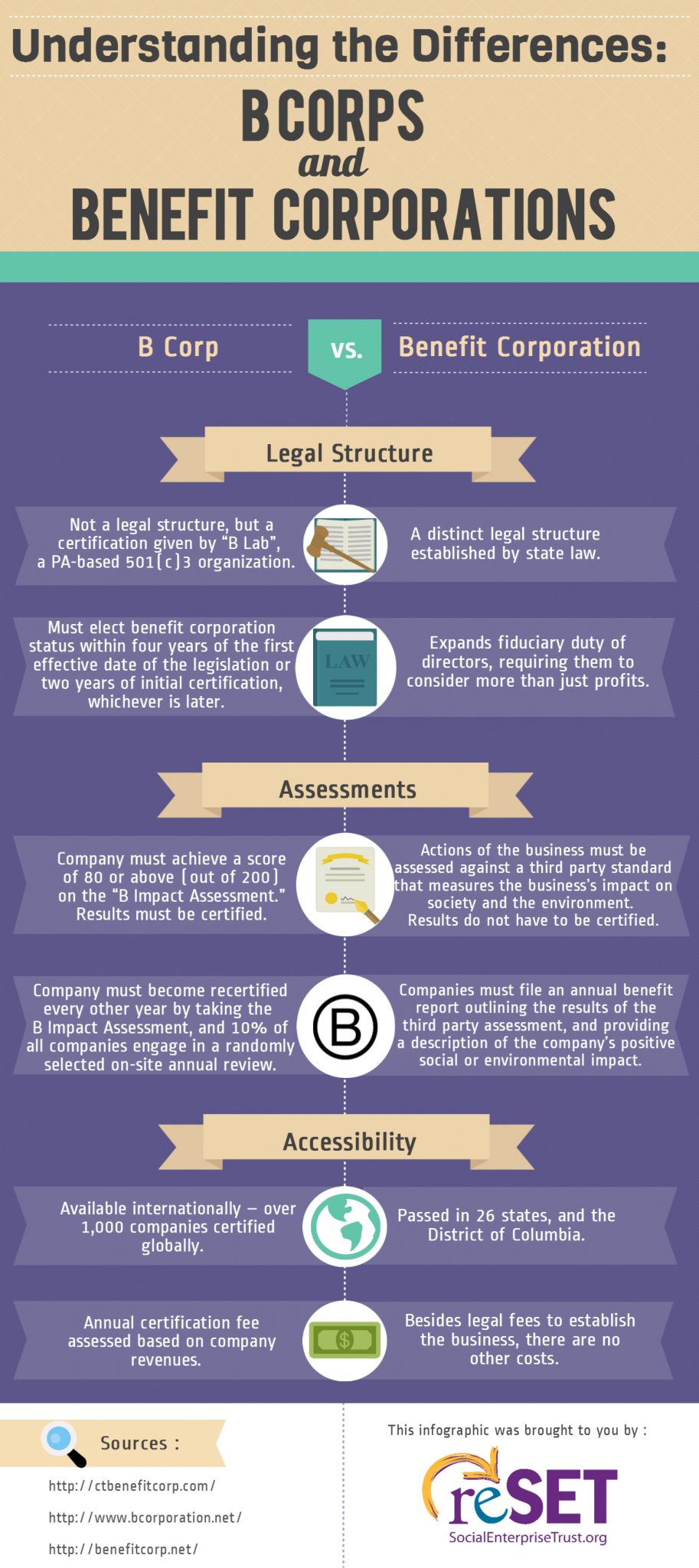
Understanding the Differences: B Corps and Benefit Corporations

[cs_content][cs_section parallax=”false” separator_top_type=”none” separator_top_height=”50px” separator_top_angle_point=”50″ separator_bottom_type=”none” separator_bottom_height=”50px” separator_bottom_angle_point=”50″ style=”margin: 0px;padding: 0px;”][cs_row inner_container=”true” marginless_columns=”false” style=”margin: 0px auto;padding: 0px;”][cs_column fade=”false” fade_animation=”in” fade_animation_offset=”45px” fade_duration=”750″ type=”1/1″ style=”padding: 0px;”][x_image type=”none” src=”http://ctinnovations.com/wp-content/uploads/2017/05/Content-Detail-Pie.jpg” alt=”” link=”false” href=”#” title=”” target=”” info=”none” info_place=”top” info_trigger=”hover” info_content=””][/cs_column][/cs_row][/cs_section][cs_section parallax=”false” separator_top_type=”none” separator_top_height=”50px” separator_top_angle_point=”50″ separator_bottom_type=”none” separator_bottom_height=”50px” separator_bottom_angle_point=”50″ style=”margin: 0px;padding: 45px 0px;”][cs_row inner_container=”true” marginless_columns=”false” style=”margin: 0px auto;padding: 0px;”][cs_column fade=”false” fade_animation=”in” fade_animation_offset=”45px” fade_duration=”750″ type=”1/1″ style=”padding: 0px;”][cs_text]Understanding the Differences: B Corps and Benefit Corporation

BCorp vs Benefit Corporation Infographic

For more about the differences between B Corps and Benefit Corporations, check out “B Corps vs. Benefit Corps – What’s the Big Difference?”

About the Author

Ojala Naeem

Ojala Naeem is incubator and IT manager at reSET, a nonprofit organization whose mission is to promote, preserve and protect social enterprise as a viable concept and a business reality. She is responsible for supporting entrepreneurs at reSET’s Community Space. You can contact Ojala at ONaeem@SocialEnterpriseTrust.org.


Link to PDF[/cs_text][/cs_column][/cs_row][/cs_section][cs_section parallax=”false” separator_top_type=”none” separator_top_height=”50px” separator_top_angle_point=”50″ separator_bottom_type=”none” separator_bottom_height=”50px” separator_bottom_angle_point=”50″ class=”cs-ta-left” style=”margin: 0px;padding: 45px 0px;”][cs_row inner_container=”true” marginless_columns=”false” style=”margin: 0px auto;padding: 0px;”][cs_column fade=”false” fade_animation=”in” fade_animation_offset=”45px” fade_duration=”750″ type=”1/1″ style=”padding: 0px;”][x_image type=”none” src=”http://ctinnovations.com/wp-content/uploads/2017/04/backtocontentlibrary.png” alt=”back to content library” link=”true” href=”http://ctinnovations.com/access-content-library/” title=”” target=”” info=”none” info_place=”top” info_trigger=”hover” info_content=”” class=”back-image”][/cs_column][/cs_row][/cs_section][/cs_content]

When Should a Startup Company Engage a Law Firm?

[cs_content][cs_section parallax=”false” separator_top_type=”none” separator_top_height=”50px” separator_top_angle_point=”50″ separator_bottom_type=”none” separator_bottom_height=”50px” separator_bottom_angle_point=”50″ style=”margin: 0px;padding: 0px;”][cs_row inner_container=”true” marginless_columns=”false” style=”margin: 0px auto;padding: 0px;”][cs_column fade=”false” fade_animation=”in” fade_animation_offset=”45px” fade_duration=”750″ type=”1/1″ style=”padding: 0px;”][x_image type=”none” src=”http://ctinnovations.com/wp-content/uploads/2017/05/Content-Detail-News.jpg” alt=”” link=”false” href=”#” title=”” target=”” info=”none” info_place=”top” info_trigger=”hover” info_content=””][/cs_column][/cs_row][/cs_section][cs_section parallax=”false” separator_top_type=”none” separator_top_height=”50px” separator_top_angle_point=”50″ separator_bottom_type=”none” separator_bottom_height=”50px” separator_bottom_angle_point=”50″ style=”margin: 0px;padding: 45px 0px;”][cs_row inner_container=”true” marginless_columns=”false” style=”margin: 0px auto;padding: 0px;”][cs_column fade=”false” fade_animation=”in” fade_animation_offset=”45px” fade_duration=”750″ type=”1/1″ style=”padding: 0px;”][cs_text]When Should a Company Engage with a Law Firm

I asked a friend, the CEO of an emerging, venture-backed company, the question posed in the title: “When should a startup company engage a law firm?” His immediate and emphatic response: “Never. Ever.” Not very helpful…

The reason for my friend’s tongue-in-cheek (I think) response is the time and money many entrepreneurs associate with engaging a law firm to assist with initial organizational matters. All too often, entrepreneurs accustomed to operating on tight timelines and even tighter budgets are reluctant to commit resources to legal assistance at the outset, opting instead to use services like LegalZoom to file necessary paperwork to form a business entity, or drafting and filing the paperwork themselves.

While simply forming a business entity is a straightforward task, experienced entrepreneurs understand that properly forming a company and issuing equity interests therein can be an involved and demanding undertaking. It requires much more than just filing a few forms. My entrepreneur friend quickly – though likely reluctantly – acknowledged that entrepreneurs are almost always better off engaging counsel early on. Selecting the appropriate type of entity, establishing proper corporate governance procedures, issuing stock, making timely 83(b) elections and entering into stock option agreements, among many other issues, are all nuanced exercises that require professional assistance. Failing to address appropriate issues or ask the right questions can lead to omissions or mistakes that can be extremely expensive later in a company’s life cycle, particularly if the company is performing well.

Below are just a few examples of issues to think about, and questions to ask, when forming a company:

  • Which type of entity should I choose? C-corporations, S-corporations, professional corporations, limited liability companies, limited partnerships, limited liability partnerships…selecting the appropriate legal entity can be confusing. The type of entity you choose will have important tax, liability and other business implications as the company matures, so it is critical to learn about the advantages and disadvantages of each entity type and make an informed decision that will set the company up for success and ensure that the founders remain shielded from personal liability to the extent possible. There is no “one size fits all” entity type.  Depending on the nature of the business and its owners, certain entity types may be unadvisable or unavailable.
  • How should the company be organized and capitalized at outset to facilitate financing? If you plan to raise capital in the near future, consider whether your target investors prefer one form of entity over another. While most institutional investors are comfortable investing in either corporations or limited liability companies, some institutional investors (and many angel or individual investors) have a preferred entity type. Knowing their preference at the outset will help you avoid the legal costs and paperwork involved in later having to convert from one entity type to another.
  • What form of equity will founders receive? What about employees? You’ll want to consider the number of shares or other equity interests to authorize, and whether to reserve a portion of those authorized shares for planned issuances to employees, directors and other important contributors to the company. Founders must be careful not to authorize an unnecessarily large number of shares, which could result in higher franchise taxes. Often, founders receive “restricted stock,” which means that the stock is subject to a vesting schedule or is otherwise subject to forfeiture (for example, if the founder leaves the company). Vesting schedules are useful tools to keep founders and key employees incentivized to remain with the company over time, and institutional investors often insist on including them for key players. For founders, the trickiest part of a vesting schedule is deciding how long the schedule should be, whether the same schedule should apply to all recipients, and whether certain founders – those that have truly been involved with the company since inception – should be exempt from a vesting schedule and receive all of their equity up front.
  • Should I file an 83(b) election? What are the consequences of not doing so? Under basic tax rules, a recipient of restricted stock does not recognize “income” attributable to such restricted stock until it vests, at which point the recipient would incur tax liability for the difference between the fair market value of the restricted stock at the time of vesting and the purchase price paid for the restricted stock. If, as is always the hope, a company performs well and increases its value over time, then the recipient could be stuck with an unpleasantly large tax bill. For example, if a founder pays $1.00 per share of restricted stock that is subject to a four-year vesting schedule, and after four years each share of stock is worth $100.00 due to the company’s growth, then the $99.00 difference will be treated as income of the founder, payable at the applicable income tax rates. An “83(b) election,” however, allows the recipient to recognize income on the date such restricted stock is purchased by treating the restricted stock as though it is fully vested on the date of purchase. By doing so, the recipient gets the benefit of the company’s low valuation. Since the purchase price and the fair market value of restricted stock purchased by a founder are often the same (i.e., de minimis), the founder may not have any income tax liability at all. Failing to timely file an 83(b) election (it must be filed within 30 days after a founder purchases the restricted stock) can be a very expensive mistake.
  • How do I make sure the company – not the founders or employees – owns important intellectual property and any future developments? Any investor will want to be sure that the company, and not the founders or any employee, owns critical intellectual property. Accordingly, all companies, and particularly technology, medical device or software companies with robust intellectual property, should require each founder and employee to execute agreements that assign to the company all rights in any intellectual property relating to the company’s business, whether existing at the time of the agreement or developed thereafter.
  • Should the founders sign nondisclosure agreements? What about noncompete agreements?  Investors will similarly want to ensure that founders do not disclose the “secret sauce” or other sensitive information to outsiders, or leave the company to form or work for a competitor. Even just among founders, before considering what a future investor might ask for, these issues should be addressed to help galvanize the team and determine whether any founder’s commitment to the venture is wavering. A founder’s resistance to sign a nondisclosure or noncompete agreement, assuming the agreements contain reasonable terms, can be a potential red flag.

How can an entrepreneur make sure all of these issues, and many others, are adequately addressed? As my entrepreneur friend said, “Find startup-friendly counsel (at startup-friendly prices) that have done this many times over, and interview other clients of the firm as references to find out if they did a good job.” Even if an entrepreneur’s “business” remains just an idea, engaging a law firm early in the process will help ensure that the entrepreneur, and the eventual company, are protected if and when the company succeeds.

Many law firms, including ours, offer discounted rates to emerging companies, as well as deferred and/or flat fees for routine startup services. Alternative fee arrangements can make the prospect of engaging legal counsel much more palatable, so be sure to ask about such arrangements before signing an engagement letter.

About the Author

Matthew MonteithMatthew Monteith is an associate at the law firm Shipman & Goodwin LLP. He practices primarily in the areas of business and finance, representing venture capital investors, private equity funds, commercial banks and other lending institutions, as well as startups, emerging growth companies and other corporate borrowers. Matt is located in the firm’s Hartford office. You can contact him at mmonteith@goodwin.com.


Link to PDF[/cs_text][/cs_column][/cs_row][/cs_section][cs_section parallax=”false” separator_top_type=”none” separator_top_height=”50px” separator_top_angle_point=”50″ separator_bottom_type=”none” separator_bottom_height=”50px” separator_bottom_angle_point=”50″ class=”cs-ta-left” style=”margin: 0px;padding: 45px 0px;”][cs_row inner_container=”true” marginless_columns=”false” style=”margin: 0px auto;padding: 0px;”][cs_column fade=”false” fade_animation=”in” fade_animation_offset=”45px” fade_duration=”750″ type=”1/1″ style=”padding: 0px;”][x_image type=”none” src=”http://ctinnovations.com/wp-content/uploads/2017/04/backtocontentlibrary.png” alt=”back to content library” link=”true” href=”http://ctinnovations.com/access-content-library/” title=”” target=”” info=”none” info_place=”top” info_trigger=”hover” info_content=”” class=”back-image”][/cs_column][/cs_row][/cs_section][/cs_content]

IP Basics for Entrepreneurs and Tech Startups, Part 2 of 2: Trademarks and Copyrights

[cs_content][cs_section parallax=”false” separator_top_type=”none” separator_top_height=”50px” separator_top_angle_point=”50″ separator_bottom_type=”none” separator_bottom_height=”50px” separator_bottom_angle_point=”50″ style=”margin: 0px;padding: 0px;”][cs_row inner_container=”true” marginless_columns=”false” style=”margin: 0px auto;padding: 0px;”][cs_column fade=”false” fade_animation=”in” fade_animation_offset=”45px” fade_duration=”750″ type=”1/1″ style=”padding: 0px;”][x_image type=”none” src=”http://ctinnovations.com/wp-content/uploads/2017/05/Content-Detail-Headphones.jpg” alt=”” link=”false” href=”#” title=”” target=”” info=”none” info_place=”top” info_trigger=”hover” info_content=””][/cs_column][/cs_row][/cs_section][cs_section parallax=”false” separator_top_type=”none” separator_top_height=”50px” separator_top_angle_point=”50″ separator_bottom_type=”none” separator_bottom_height=”50px” separator_bottom_angle_point=”50″ style=”margin: 0px;padding: 45px 0px;”][cs_row inner_container=”true” marginless_columns=”false” style=”margin: 0px auto;padding: 0px;”][cs_column fade=”false” fade_animation=”in” fade_animation_offset=”45px” fade_duration=”750″ type=”1/1″ style=”padding: 0px;”][cs_text]IP Basics for Entrepreneurs and Tech Startups, Part 2 of 2: Trademarks and Copyrights

Understanding intellectual property (IP) is important to the success of any tech startup. While patents get a lot of attention, trademarks and copyrights sometimes fall by the wayside. In this webinar, Bryan Zerhusen, Ph.D., and Gabriel J. McCool, Ph.D., both of the law firm Edwards Wildman Palmer, cover what trademarks and patents are, what they protect, how they provide that protection, and when they may be of use to a tech startup.

This is part 2 of 2 in a series on “IP Basics for Entreprenuers and Tech Startups.” You can watch part one here.

About the Participants

Gabriel McCoolGabriel McCool, Ph.D., is a patent attorney with the law firm Edwards Wildman Palmer LLP. Gabe represents clients in the life sciences industry on all aspects of intellectual property. He is located at the firm’s Stamford, Connecticut, office. You can contact Gabe at GMcCool@edwardswildman.com.


Bryan ZerhusenBryan Zerhusen, Ph.D., is a partner with the law firm Edwards Wildman Palmer LLP. Bryan’s practice spans all aspects of domestic and foreign patent preparation, prosecution and counseling for innovators in the chemical and life science industries. He is located at the firm’s Hartford, Connecticut, office. You can contact Bryan at BZerhusen@edwardswildman.com.


Douglas RothDouglas Roth is a senior investment associate at Connecticut Innovations. Doug is responsible for sourcing and evaluating investment opportunities, structuring and negotiating new and follow-on investments and working closely with portfolio companies. Doug is a board observer for a number of CI portfolio companies, and also monitors and advises several of CI’s Pre-Seed Fund companies.


Link to PDF[/cs_text][/cs_column][/cs_row][/cs_section][cs_section parallax=”false” separator_top_type=”none” separator_top_height=”50px” separator_top_angle_point=”50″ separator_bottom_type=”none” separator_bottom_height=”50px” separator_bottom_angle_point=”50″ class=”cs-ta-left” style=”margin: 0px;padding: 45px 0px;”][cs_row inner_container=”true” marginless_columns=”false” style=”margin: 0px auto;padding: 0px;”][cs_column fade=”false” fade_animation=”in” fade_animation_offset=”45px” fade_duration=”750″ type=”1/1″ style=”padding: 0px;”][x_image type=”none” src=”http://ctinnovations.com/wp-content/uploads/2017/04/backtocontentlibrary.png” alt=”back to content library” link=”true” href=”http://ctinnovations.com/access-content-library/” title=”” target=”” info=”none” info_place=”top” info_trigger=”hover” info_content=”” class=”back-image”][/cs_column][/cs_row][/cs_section][/cs_content]

IP Basics for Entrepreneurs and Tech Startups, Part 1 of 2: Patents and Trade Secrets

[cs_content][cs_section parallax=”false” separator_top_type=”none” separator_top_height=”50px” separator_top_angle_point=”50″ separator_bottom_type=”none” separator_bottom_height=”50px” separator_bottom_angle_point=”50″ style=”margin: 0px;padding: 0px;”][cs_row inner_container=”true” marginless_columns=”false” style=”margin: 0px auto;padding: 0px;”][cs_column fade=”false” fade_animation=”in” fade_animation_offset=”45px” fade_duration=”750″ type=”1/1″ style=”padding: 0px;”][x_image type=”none” src=”http://ctinnovations.com/wp-content/uploads/2017/05/Content-Detail-Headphones.jpg” alt=”” link=”false” href=”#” title=”” target=”” info=”none” info_place=”top” info_trigger=”hover” info_content=””][/cs_column][/cs_row][/cs_section][cs_section parallax=”false” separator_top_type=”none” separator_top_height=”50px” separator_top_angle_point=”50″ separator_bottom_type=”none” separator_bottom_height=”50px” separator_bottom_angle_point=”50″ style=”margin: 0px;padding: 45px 0px;”][cs_row inner_container=”true” marginless_columns=”false” style=”margin: 0px auto;padding: 0px;”][cs_column fade=”false” fade_animation=”in” fade_animation_offset=”45px” fade_duration=”750″ type=”1/1″ style=”padding: 0px;”][cs_text]IP Basics for Entrepreneurs and Tech Startups, Part 1 of 2: Patents and Trade Secrets

Learn about patents and trade secrets and how they may be relevant to your business. Attorneys Bryan Zerhusen, Ph.D., and Gabriel McCool, Ph.D., provide an overview of IP protection, discuss how patents and trade secrets differ, and offer practice tips.

This is part 1 of 2 in a series on “IP Basics for Entreprenuers and Tech Startups.” You can watch part two here.

About the Participants

Gabriel McCoolGabriel McCool, Ph.D., is a patent attorney with the law firm Edwards Wildman Palmer LLP. Gabe represents clients in the life sciences industry on all aspects of intellectual property. He is located at the firm’s Stamford, Connecticut, office. You can contact Gabe at GMcCool@edwardswildman.com.


Bryan ZerhusenBryan Zerhusen, Ph.D., is a partner with the law firm Edwards Wildman Palmer LLP. Bryan’s practice spans all aspects of domestic and foreign patent preparation, prosecution and counseling for innovators in the chemical and life science industries. He is located at the firm’s Hartford, Connecticut, office. You can contact Bryan at BZerhusen@edwardswildman.com.


Douglas RothDouglas Roth is a senior investment associate at Connecticut Innovations. Doug is responsible for sourcing and evaluating investment opportunities, structuring and negotiating new and follow-on investments and working closely with portfolio companies. Doug is a board observer for a number of CI portfolio companies, and also monitors and advises several of CI’s Pre-Seed Fund companies.


Link to PDF[/cs_text][/cs_column][/cs_row][/cs_section][cs_section parallax=”false” separator_top_type=”none” separator_top_height=”50px” separator_top_angle_point=”50″ separator_bottom_type=”none” separator_bottom_height=”50px” separator_bottom_angle_point=”50″ class=”cs-ta-left” style=”margin: 0px;padding: 45px 0px;”][cs_row inner_container=”true” marginless_columns=”false” style=”margin: 0px auto;padding: 0px;”][cs_column fade=”false” fade_animation=”in” fade_animation_offset=”45px” fade_duration=”750″ type=”1/1″ style=”padding: 0px;”][x_image type=”none” src=”http://ctinnovations.com/wp-content/uploads/2017/04/backtocontentlibrary.png” alt=”back to content library” link=”true” href=”http://ctinnovations.com/access-content-library/” title=”” target=”” info=”none” info_place=”top” info_trigger=”hover” info_content=”” class=”back-image”][/cs_column][/cs_row][/cs_section][/cs_content]

Venture Capital Deal Process and Key Terms

[cs_content][cs_section parallax=”false” separator_top_type=”none” separator_top_height=”50px” separator_top_angle_point=”50″ separator_bottom_type=”none” separator_bottom_height=”50px” separator_bottom_angle_point=”50″ style=”margin: 0px;padding: 0px;”][cs_row inner_container=”true” marginless_columns=”false” style=”margin: 0px auto;padding: 0px;”][cs_column fade=”false” fade_animation=”in” fade_animation_offset=”45px” fade_duration=”750″ type=”1/1″ style=”padding: 0px;”][x_image type=”none” src=”http://ctinnovations.com/wp-content/uploads/2017/05/Content-Detail-Headphones.jpg” alt=”” link=”false” href=”#” title=”” target=”” info=”none” info_place=”top” info_trigger=”hover” info_content=””][/cs_column][/cs_row][/cs_section][cs_section parallax=”false” separator_top_type=”none” separator_top_height=”50px” separator_top_angle_point=”50″ separator_bottom_type=”none” separator_bottom_height=”50px” separator_bottom_angle_point=”50″ style=”margin: 0px;padding: 45px 0px;”][cs_row inner_container=”true” marginless_columns=”false” style=”margin: 0px auto;padding: 0px;”][cs_column fade=”false” fade_animation=”in” fade_animation_offset=”45px” fade_duration=”750″ type=”1/1″ style=”padding: 0px;”][cs_text]Venture Capital Deal Process and Key Terms

Click here for the accompanying podcast.
Click here for the accompanying PowerPoint.

In this podcast, learn from Frank Marco about what to expect when seeking venture capital. Frank covers venture transaction stages, processes and key deal terms.

About Frank Marco
Frank MarcoFrank Marco  is a partner in the Corporate Practice Department of the law firm Wiggin and Dana and chair of the firm’s Private Equity and Emerging Companies Practice Group. Frank represents a wide range of emerging growth companies and investors. He is located at the firm’s New Haven, Connecticut, office. You can contact Frank at fmarco@wiggin.com.

 [/cs_text][/cs_column][/cs_row][/cs_section][cs_section parallax=”false” separator_top_type=”none” separator_top_height=”50px” separator_top_angle_point=”50″ separator_bottom_type=”none” separator_bottom_height=”50px” separator_bottom_angle_point=”50″ class=”cs-ta-left” style=”margin: 0px;padding: 45px 0px;”][cs_row inner_container=”true” marginless_columns=”false” style=”margin: 0px auto;padding: 0px;”][cs_column fade=”false” fade_animation=”in” fade_animation_offset=”45px” fade_duration=”750″ type=”1/1″ style=”padding: 0px;”][x_image type=”none” src=”http://ctinnovations.com/wp-content/uploads/2017/04/backtocontentlibrary.png” alt=”back to content library” link=”true” href=”http://ctinnovations.com/access-content-library/” title=”” target=”” info=”none” info_place=”top” info_trigger=”hover” info_content=”” class=”back-image”][/cs_column][/cs_row][/cs_section][/cs_content]

Is a Freedom to Operate Opinion Important?

[cs_content][cs_section parallax=”false” separator_top_type=”none” separator_top_height=”50px” separator_top_angle_point=”50″ separator_bottom_type=”none” separator_bottom_height=”50px” separator_bottom_angle_point=”50″ style=”margin: 0px;padding: 0px;”][cs_row inner_container=”true” marginless_columns=”false” style=”margin: 0px auto;padding: 0px;”][cs_column fade=”false” fade_animation=”in” fade_animation_offset=”45px” fade_duration=”750″ type=”1/1″ style=”padding: 0px;”][x_image type=”none” src=”http://ctinnovations.com/wp-content/uploads/2017/05/Content-Detail-News.jpg” alt=”” link=”false” href=”#” title=”” target=”” info=”none” info_place=”top” info_trigger=”hover” info_content=””][/cs_column][/cs_row][/cs_section][cs_section parallax=”false” separator_top_type=”none” separator_top_height=”50px” separator_top_angle_point=”50″ separator_bottom_type=”none” separator_bottom_height=”50px” separator_bottom_angle_point=”50″ style=”margin: 0px;padding: 45px 0px;”][cs_row inner_container=”true” marginless_columns=”false” style=”margin: 0px auto;padding: 0px;”][cs_column fade=”false” fade_animation=”in” fade_animation_offset=”45px” fade_duration=”750″ type=”1/1″ style=”padding: 0px;”][cs_text]What is Freedom to Operate Opinion? FTO Analysis & Patents

In certain circumstances, it may be advisable or necessary for a company to obtain a freedom to operate (FTO) opinion as to whether a technology of interest will infringe any patent owned by another party. The knowledge gained from such an exercise can help mitigate risk, provide assurance to potential investors, and facilitate the development process by informing design changes necessary to avoid identified patent barriers.

But what is an FTO opinion? Essentially, in layman’s terms, it is an assessment made by intellectual property attorneys that provides an analysis of any patents owned by third parties protecting inventions that are similar to a particular product or process of interest that will be or is currently being sold and/or manufactured by a company. The FTO opinion is generally provided in the form of a written document that contains a legal opinion as to whether the product or process of interest infringes upon any of the identified patents.

Not all companies obtain FTO opinions on their products or processes – for a number of reasons. Perhaps the biggest reason is cost. An FTO opinion can be expensive, typically in the neighborhood of $25,000 to $50,000, or more, depending on the level of complexity of the product or process and the depth and breadth of the FTO analysis. Because an FTO opinion evaluates the intellectual property (IP) landscape vis-à-vis a product or process at a particular snapshot in time, its shelf life may be short, particularly if a company plans to make ongoing modifications to the product or process, or if the patent landscape changes significantly; such shifts could quickly render the FTO opinion obsolete. So, companies must be judicious and evaluate whether investing in an FTO opinion is worthwhile and what the optimal timing might be.

However, your cost/benefit analysis may swing in favor of investing in an FTO opinion if you (1) are operating in an industry that is particularly litigious, (2) have developed a product or process that will not be modified anytime soon, (3) have the time and flexibility to modify product development to design around potential patent barriers that are uncovered, (4) could suffer significant financial harm if infringement litigation were to result in an injunction or costly design-around, or (5) plan to raise a large financing round in which investors will be putting significant sums at risk by investing in your company. In the last instance, one or more investors may actually require you to obtain an FTO opinion as a condition of their investment.

The FTO opinion can be useful and mitigate risk in a couple of ways. First, it can help protect you against being charged with “willful infringement” of another’s patent – the penalty for which can be treble damages. Having an FTO opinion shows that you have done your legal homework and have an expert opinion that your product or process does not infringe on the identified patents. Second, an FTO opinion can help lessen investors’ concerns about infringement risks. Such risks will likely always be present, but the FTO will help mitigate those risks.

While FTO opinions may not be necessary for all companies, it’s good for growing, innovative ventures to be aware of this option and to be thinking about issues surrounding intellectual property.

About the Author

Douglas Roth is a senior investment associate at Connecticut Innovations. You can contact him at douglas.roth@ctinnovations.com.

Link to PDF

[/cs_text][/cs_column][/cs_row][/cs_section][cs_section parallax=”false” separator_top_type=”none” separator_top_height=”50px” separator_top_angle_point=”50″ separator_bottom_type=”none” separator_bottom_height=”50px” separator_bottom_angle_point=”50″ class=”cs-ta-left” style=”margin: 0px;padding: 45px 0px;”][cs_row inner_container=”true” marginless_columns=”false” style=”margin: 0px auto;padding: 0px;”][cs_column fade=”false” fade_animation=”in” fade_animation_offset=”45px” fade_duration=”750″ type=”1/1″ style=”padding: 0px;”][x_image type=”none” src=”http://ctinnovations.com/wp-content/uploads/2017/04/backtocontentlibrary.png” alt=”back to content library” link=”true” href=”http://ctinnovations.com/access-content-library/” title=”” target=”” info=”none” info_place=”top” info_trigger=”hover” info_content=”” class=”back-image”][/cs_column][/cs_row][/cs_section][/cs_content]
Newer Posts
Phone
  • General Inquiries 860.258.7858
  • Main Office 860.563.5851
Email
info@ctinnovations.com
Address
470 James Street, Ste 8
New Haven, CT 06513
Newsletter Sign Up
© 2026 Connecticut Innovations
  • TERMS & CONDITIONS